Trusted Along Hartford County for Fast Response, Cleanup, and Restoration
When disaster impacts your home in Hartford, CT, whether from flooding, fire damage, burst pipes, storm intrusion, or sewage backup, fast action matters. ServiceMaster DSI – Hartford provides 24/7 residential disaster restoration throughout Hartford County, helping homeowners stabilize damage, clean affected areas, and restore safe living conditions.
From basement flooding near the Connecticut River to ice dam leaks on historic West End homes and smoke damage in dense residential neighborhoods like Frog Hollow, our team responds with the equipment and experience needed to handle urgent home emergencies across Hartford’s diverse housing stock.
ServiceMaster DSI – Hartford is available 24/7 to respond across Hartford and surrounding communities.
What Causes Residential Disaster Damage in Hartford Homes?
Residential disaster damage in Hartford is rarely random—it typically follows predictable local patterns tied to weather, infrastructure, and housing age. Understanding these causes helps homeowners respond faster and limit long-term damage.
One of the most common triggers is Connecticut River flooding and storm runoff during heavy rainfall events. Homes in low-lying areas and older neighborhoods often experience basement seepage or full flooding when the river rises or when saturated ground can no longer absorb stormwater. Even moderate storms can overwhelm drainage systems in certain Hartford districts.
During winter, freeze-thaw cycles and Nor’easters create widespread issues like burst pipes, roof leaks, and ice damming. Many Hartford homes—especially older multi-family properties and historic structures—have aging plumbing and insulation that are vulnerable when temperatures drop sharply overnight.
Another frequent cause is electrical or kitchen fires in older residential buildings. Dense housing layouts and outdated wiring systems increase the risk of fire spread and smoke infiltration between units. Even small fires can lead to widespread smoke damage that affects walls, ceilings, and HVAC systems.
Finally, sewer backups during heavy rain events are a recurring issue in Hartford due to aging municipal infrastructure. When systems become overloaded, contaminated water can enter basements and lower floors, requiring immediate sanitation and professional cleanup.
ServiceMaster DSI – Hartford responds to all of these scenarios with rapid assessment, moisture detection, debris removal, and restoration planning designed specifically for Hartford’s environmental and structural conditions.
Start the cleanup process today and reduce costly downtime.
Residential Disaster Restoration Services Available in Hartford
Residential disaster events vary in severity, but each requires a targeted restoration approach to prevent secondary damage like mold, structural weakening, or long-term odor issues.
Storm & Flood Damage Restoration
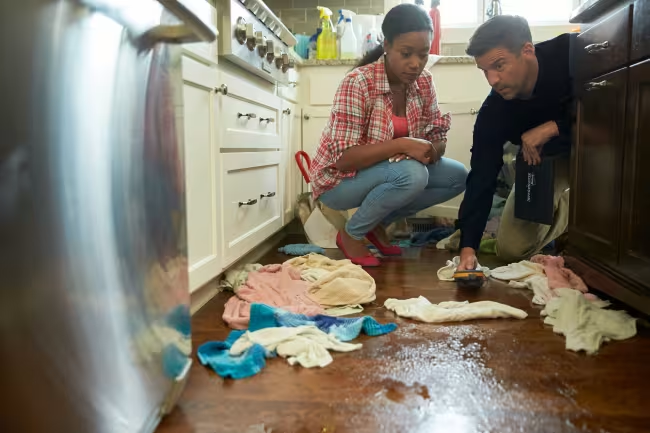
Hartford experiences heavy rainfall, Nor’easters, and occasional river flooding that can quickly impact basements and ground-level living spaces. Water intrusion often spreads through foundation cracks and older masonry common in historic neighborhoods. Restoration includes rapid water extraction, structural drying, dehumidification, and monitoring to prevent mold growth—especially during humid summer months when drying conditions are slower.
Burst Pipe & Water Damage Cleanup
Cold winters in Hartford frequently lead to frozen and burst pipes, especially in older homes with insufficient insulation. A single pipe failure can release hundreds of gallons of water into walls, ceilings, and floors. Our process includes locating hidden moisture behind building materials, removing saturated drywall or insulation, and fully drying structural components before mold can develop.

Fire & Smoke Damage Restoration
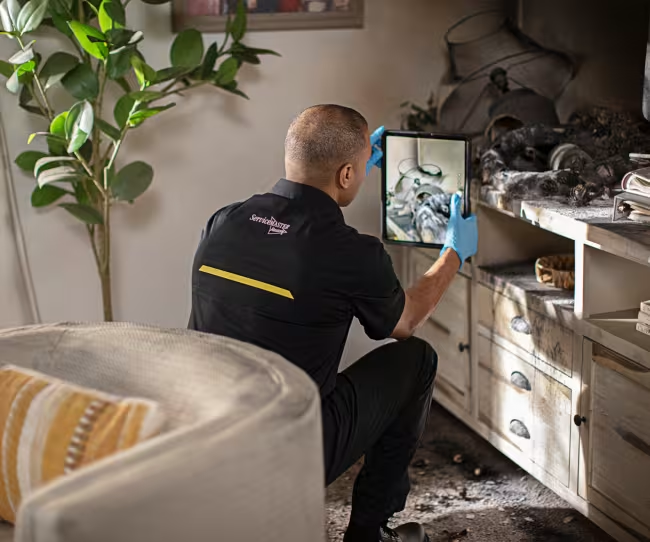
Residential fires—often caused by kitchen incidents or electrical issues—leave behind soot, odor, and airborne contaminants that spread throughout the home. Smoke particles can penetrate furniture, HVAC systems, and wall cavities. Restoration includes soot removal, odor neutralization, air purification, and cleaning of salvageable contents to restore indoor air quality and livability.
Sewer Backup & Contamination Cleanup
Heavy rain events can overwhelm Hartford’s aging sewer infrastructure, leading to contaminated water entering residential basements. These situations require immediate response due to health risks. Cleanup includes removal of hazardous water, disposal of contaminated materials, disinfection of affected surfaces, and structural drying to restore safe conditions.
Each service is designed to address both immediate damage and long-term risks specific to Hartford’s climate and infrastructure challenges.
Why Hartford Homeowners Choose Professional Disaster Restoration
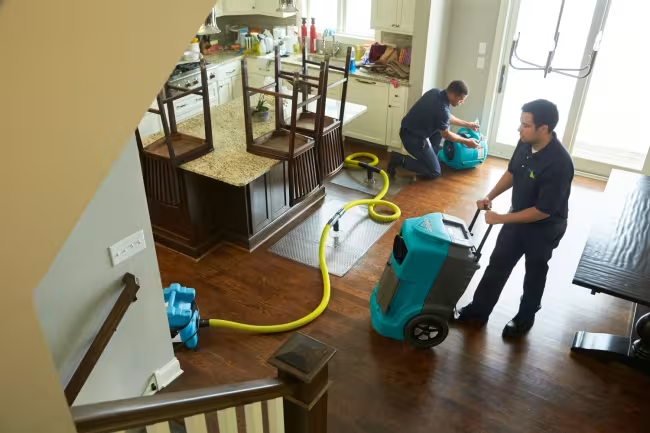
Residential disaster damage often spreads beyond what is visible. Moisture can hide behind walls, smoke can linger in ventilation systems, and contamination can seep into porous materials. Professional restoration ensures these hidden risks are fully addressed.
Advanced Moisture Detection
Industrial-Grade Water Extraction
Structural Drying & Monitoring
Mold Prevention Protocols
Why Residential Disaster Damage Escalates Quickly in Hartford
Hartford’s climate and housing conditions create a situation where minor damage can quickly become major structural loss if not addressed promptly.
Within the first 24 hours, water and moisture begin weakening building materials. Drywall absorbs water and starts to swell, hardwood floors begin to cup or warp, and metal fasteners start corroding. Even small leaks from burst pipes or roof intrusion can begin spreading through wall cavities.
Between 24 and 48 hours, conditions become significantly more dangerous. Mold spores activate in damp environments, especially in basements and lower floors common throughout Hartford neighborhoods. Homes near the Connecticut River or areas with older drainage systems often retain moisture longer, increasing contamination risk.
After a week, damage becomes structural. Framing materials can warp, insulation loses effectiveness, and contaminated water or smoke residues penetrate deeper into building systems. At this stage, restoration becomes more complex, often requiring partial reconstruction rather than cleanup alone.
In Hartford homes, where seasonal humidity and aging infrastructure already create moisture challenges, acting quickly is the difference between restoration and full replacement.
What Hartford Residents Should Do Immediately After Disaster Damage
When disaster strikes your home, the right steps taken early can significantly reduce total damage and recovery time.
-
1Step 1Ensure Immediate Safety
If there is structural instability, active flooding, fire, or electrical risk, leave the property immediately. Safety is always the first priority before any cleanup begins.
-
2Step 2Stop the Source if Possible
If the issue is plumbing-related, shut off the main water supply. If the damage is storm or fire-related, avoid the affected areas to prevent exposure or further risk.
-
3Step 3Document All Damage
Take clear photos and videos of all affected areas, including visible damage sources and belongings. This documentation is essential for insurance claims and restoration planning.
-
4Step 4Contact ServiceMaster DSI – Hartford
Once safety steps are complete, contact our restoration team immediately. Faster response allows for greater material salvage, reduced structural damage, and quicker recovery timelines.
Begin restoring your home and peace of mind today.