Trusted Commercial Fire Damage Cleanup for Hartford Businesses
Experiencing a fire that threatens your business can be an incredibly traumatic event. In such difficult times, having a reliable partner by your side, and providing clear guidance, becomes crucial to minimize interruptions. At Servicemaster DSI - Hartford, we understand the challenges business owners face because we're business owners too. Our dedicated team will work tirelessly to reopen your doors as quickly as possible while guiding you through the entire restoration process.
When fire strikes a Hartford-area business, the damage doesn't end when the flames are extinguished. Smoke, soot, water, and lingering odors can continue affecting your building, equipment, inventory, and operations. ServiceMaster DSI - Hartford provides 24/7 commercial fire damage restoration to help stabilize your property, clean affected areas, and move your business toward reopening.
Trust Our Hartford Fire Damage Repair Specialists
The aftermath of a fire can leave your business devastated. Once the flames are extinguished, there may be debris, damage, and materials that need to be removed before restoration can begin. Servicemaster DSI - Hartford carefully evaluates the extent of the fire's destruction and the methods used to extinguish it, enabling us to efficiently clean up and repair the affected areas.
Even rooms not directly affected by the fire may suffer from smoke, ash, or water damage if left untreated, posing health hazards. To tackle every aspect of this problem, including smoke and soot removal, professional assistance is essential. Servicemaster DSI - Hartford possesses the necessary knowledge, expertise, and specialized tools to ensure a successful restoration project.
ServiceMaster DSI - Hartford is available 24/7 to begin commercial fire damage cleanup and restoration.
Common Fire Damage Risks That Threaten Hartford Businesses
A commercial fire can disrupt an office near Downtown Hartford, a restaurant along Park Street or Albany Avenue, a retail property near the Capitol area, or an industrial facility closer to the Connecticut River. Hartford's mix of older buildings, active commercial corridors, institutional properties, and modern facilities can create very different restoration challenges after a fire.
The city's climate adds another consideration. Hartford experiences cold, snowy winters and hot, muggy summers, with thunderstorms common during the warmer months. Annual precipitation is distributed throughout the year, while winter temperatures and snowfall can create additional concerns for buildings exposed after a fire.
Whether a fire affects a single office, damages a restaurant's kitchen and dining area, or sends smoke throughout an entire commercial building, ServiceMaster DSI - Hartford can help address the resulting damage. Restoration may involve removing soot and smoke residue, controlling odors, cleaning affected contents, addressing water damage from firefighting efforts, and coordinating necessary repairs.
For businesses around landmarks such as Bushnell Park, the Connecticut State Capitol, the Wadsworth Atheneum, and the riverfront, getting a damaged property stabilized quickly can be especially important. Bushnell Park sits in the center of Downtown Hartford and hosts major events throughout the year, illustrating the concentration of commercial, cultural, and public activity in the surrounding area.
The goal isn't simply to clean up what the fire left behind. It's to help your business regain a safe, functional environment while limiting unnecessary disruption.
Minimize operational interruptions with our rapid recovery solutions.
What Commercial Fire Damage Services Does ServiceMaster Provide?
A commercial fire loss rarely involves only burned materials. Smoke can travel through HVAC systems and migrate far beyond the room where the fire started, while soot can settle onto walls, ceilings, furniture, electronics, inventory, and other contents. Water and chemical residues from firefighting can create additional damage that must be addressed alongside the fire itself.
ServiceMaster DSI - Hartford's restoration approach should address the full scope of the loss rather than focusing exclusively on visible fire damage.
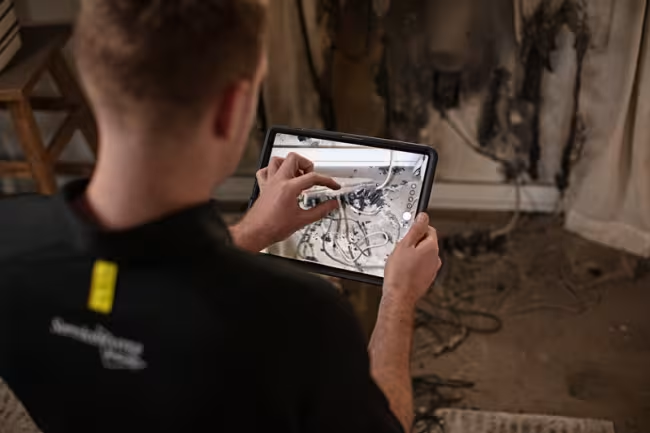
Smoke, Soot & Residue Cleanup
Smoke residue can affect surfaces throughout a commercial building, even in areas that appear untouched by flames. The restoration team can assess affected areas, clean smoke and soot residues, and determine which building materials and contents may be salvageable.
This is particularly important for businesses with valuable furnishings, inventory, records, equipment, or specialized contents. Cleaning should be approached according to the type and extent of residue rather than treating every surface the same way.
Commercial Odor Removal
Smoke odor can remain long after visible soot has been removed. Odors may become trapped in porous materials, furnishings, insulation, carpeting, wall assemblies, and HVAC components.
Professional deodorization helps address the source of persistent smoke odors rather than simply masking them with fragrances. The objective is to leave the commercial property cleaner and more comfortable as restoration progresses.
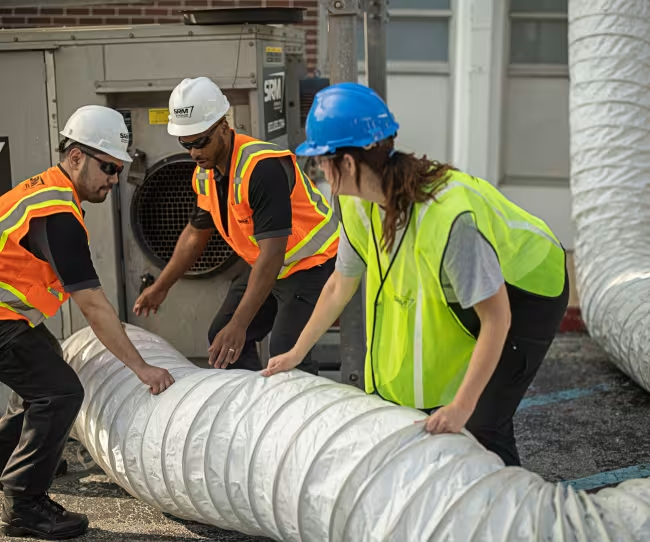
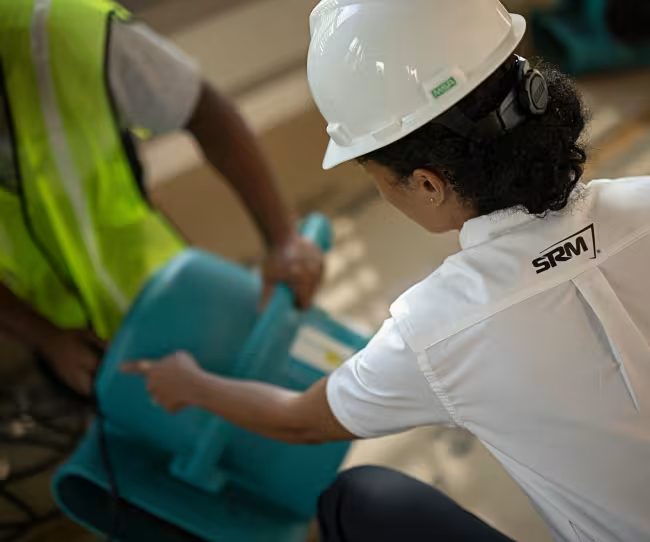
Firefighting Water & Secondary Damage
Fire suppression can introduce significant amounts of water into a building. If that moisture remains in flooring, walls, ceilings, insulation, or other materials, secondary damage can develop.
Commercial restoration should therefore include appropriate moisture assessment, water removal, drying, and monitoring when firefighting water has affected the property. Addressing water damage at the same time as fire and smoke damage can help prevent additional deterioration and microbial growth.
Contents Cleaning & Restoration
Not everything affected by a commercial fire needs to be discarded. Furniture, fixtures, merchandise, documents, equipment, and other contents may be candidates for professional cleaning or restoration depending on their condition.
The restoration team should identify salvageable items, separate them from heavily damaged materials, and use appropriate cleaning methods based on the type of contamination.
How Does Fire Damage Affect Different Hartford Businesses?
Every commercial fire presents a different restoration challenge. A small office fire may leave extensive smoke contamination throughout the building, while a restaurant fire can combine structural damage, heavy grease-related residue, smoke, odor, and water intrusion.
Hartford's commercial landscape makes this distinction especially important. Businesses operate along established corridors such as Albany Avenue, Park Street, and Maple Avenue, while Downtown Hartford contains offices, cultural institutions, government buildings, restaurants, retail properties, and other commercial spaces.
Why Choose ServiceMaster DSI - Hartford for Commercial Fire Restoration?
A commercial fire creates pressure that extends beyond the damaged building. Owners need to protect their investment, managers need to communicate with employees and occupants, and businesses need a practical path toward reopening.
ServiceMaster's commercial fire restoration model addresses more than surface-level cleanup. Commercial fire restoration commonly involves smoke and soot removal, odor control, structural restoration, contents cleaning, and addressing water damage created by firefighting efforts.
Comprehensive Damage Assessment
Smoke & Odor Restoration
Contents & Property Recovery
Restoration With Business Continuity in Mind
From the Downtown Hartford area to commercial corridors such as Park Street, Albany Avenue, and Maple Avenue, businesses depend on their properties to serve customers and support employees. When fire interrupts that operation, having a restoration plan that addresses both the physical damage and the business's recovery needs can make the process more manageable.
Why Should Hartford Businesses Act Quickly After a Fire?
The sooner a commercial property is stabilized, the more opportunities there may be to limit secondary damage and protect salvageable materials. Fire damage itself can compromise building materials, while smoke and soot can continue affecting surfaces after the fire is extinguished.
Immediately after the fire: secure the property. Once firefighters have released the building for entry, the first priority is determining whether additional hazards remain. Business owners and employees should not enter areas that authorities have deemed unsafe. The property may require board-up, temporary protection, or restricted access while the damage is assessed.
Within the first day: address smoke, soot, and water. Smoke residue can settle onto surfaces throughout the building, and water from suppression efforts can begin affecting porous materials. Prompt professional assessment helps identify areas requiring cleaning, drying, or removal.
Within several days: prevent secondary deterioration. Lingering moisture can contribute to additional damage, while smoke odors can become more difficult to address when absorbed into porous materials. Early cleaning and drying can help protect materials that may otherwise require replacement.
During the restoration: keep the business recovery in focus. Commercial restoration isn't just about cleaning a building. Property owners and managers need to understand what was damaged, what can be restored, what requires replacement, and what steps are needed before normal operations can resume.
Hartford's humid summers can make moisture management particularly important during warmer months, while cold winter conditions can complicate access and stabilization when a fire leaves portions of a building exposed. The Hartford Fire Department describes the city as having a humid continental climate, with hot, muggy summers, cold winters, frequent snowfall, and common summer thunderstorms.
Acting promptly gives your business a better opportunity to control the damage before a contained fire loss becomes a larger restoration project.
What Should You Do After a Commercial Fire in Hartford?
The first few decisions after a fire can affect both safety and the restoration process. Business owners should prioritize people first, then protect the property and document the loss before restoration work begins.
-
1Step 1Follow Fire Department Safety Instructions
Do not re-enter the building until emergency personnel have determined that it is safe. Fire can weaken structural components, expose electrical hazards, and leave behind dangerous smoke or other residues.
-
2Step 2Protect the Property From Further Exposure
If the building has broken windows, damaged doors, roof openings, or other exterior vulnerabilities, ask your restoration team about appropriate emergency stabilization. Securing the structure can help limit additional exposure to Hartford's rain, snow, wind, and temperature changes.
-
3Step 3Document the Damage
Take photographs and videos of affected areas, equipment, inventory, furnishings, and structural damage when it is safe to do so. Preserve receipts, records, and other documentation that may be useful during the insurance process.
-
4Step 4Contact Your Insurance Provider
Notify your commercial property insurer and follow its instructions regarding the claim. Keep records of conversations, claim information, expenses, and restoration-related documentation.
-
5Step 5Call ServiceMaster DSI - Hartford
Once everyone is safe, contact ServiceMaster DSI - Hartford for emergency commercial fire damage restoration. A professional assessment can identify visible and hidden fire, smoke, soot, odor, and water damage and establish the next steps for cleanup and restoration.
Remove hazardous smoke and soot damage from your facility—get help now.