Trusted By Champaign Homes For 24/7 Storm Damage Restoration
When severe weather damages your Champaign home, you need more than a temporary fix. High winds can tear away shingles, hail can break windows and siding, and heavy rain can push water through damaged roofs or overwhelm drainage systems. Tornadoes can cause even more extensive structural damage in minutes. ServiceMaster DSI - Champaign provides 24/7 emergency storm damage restoration to help homeowners secure their properties, remove water, clean up debris, and begin the restoration process.
Champaign's location in east-central Illinois puts local homes in the path of changing weather throughout the year. Spring and summer can bring severe thunderstorms, large hail, damaging straight-line winds, tornadoes, and intense rainfall. The National Weather Service has documented tornadoes and significant wind and hail events in Champaign County and throughout central Illinois.
Whether your home near the University of Illinois campus has roof damage after a thunderstorm, a tree has fallen onto a property near Meadowbrook Park, or heavy rain has caused water intrusion around a home near I-57, the response needs to begin quickly. ServiceMaster DSI - Champaign can assess the damage, help protect exposed areas, remove water and debris, and coordinate restoration steps to help return your home to a safe, usable condition.
Storm damage at your Champaign home? Get emergency restoration help 24/7 with a trusted restoration crew local to your area.
What Storm Damage Can Affect Your Champaign Home?
Storm damage can extend well beyond what you can see from the street. A few missing shingles may indicate a larger roofing problem, while broken windows can allow rain to saturate insulation, drywall, flooring, and other interior materials. ServiceMaster DSI - Champaign evaluates the property as a whole so restoration can address both visible damage and secondary problems caused by water intrusion.
Champaign homeowners can experience different types of storm damage depending on the season. Severe spring and summer thunderstorms can bring hail, lightning, tornadoes, high winds, and heavy rainfall. Recent central Illinois storms have produced damaging winds, large hail, tornadoes, and significant rainfall, including several inches reported around Champaign-Urbana during a 2026 severe weather event.
Winter storms create another set of challenges. Freezing temperatures, snow, ice, and strong winds can damage roofing systems and allow melting precipitation to enter vulnerable areas of the home. Storm-related damage may also leave a property exposed for hours or days, increasing the possibility of additional water damage, mold growth, and deterioration.
ServiceMaster DSI - Champaign can help homeowners address the immediate aftermath through emergency board-up and tarping, water removal and drying when needed, debris cleanup, smoke or odor concerns when applicable, and reconstruction services for damaged building materials.
Our team of experts can assess your property and recommend the best strategies to protect your home from potential storm damage, including:
- Installing impact-resistant windows and doors
- Securing loose roofing shingles and tiles
- Trimming overgrown trees and branches
- Sealing any gaps or cracks in your home's exterior
Don’t wait on storm repairs—book your home damage inspection today.
How Can Roof, Wind, and Hail Damage Be Restored?
Roof Damage & Emergency Tarping
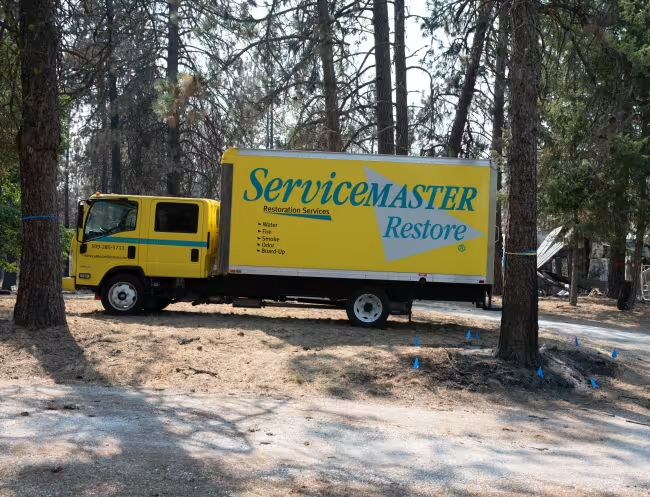
High winds and hail can damage shingles, flashing, vents, gutters, and other roofing components. Tornadoes and severe straight-line winds can create larger openings that expose the interior to rain. ServiceMaster DSI - Champaign can help secure damaged areas with emergency tarping or board-up services to limit additional exposure while the restoration process gets underway.
Water Intrusion & Interior Drying
Once a storm damages the building envelope, rainwater can move into ceilings, walls, insulation, flooring, and finished spaces. Water that remains hidden behind building materials can create additional problems even after the weather clears. Professional extraction, dehumidification, moisture monitoring, and structural drying can help limit secondary damage.
Water Intrusion & Interior Drying
Once a storm damages the building envelope, rainwater can move into ceilings, walls, insulation, flooring, and finished spaces. Water that remains hidden behind building materials can create additional problems even after the weather clears. Professional extraction, dehumidification, moisture monitoring, and structural drying can help limit secondary damage.
Tree & Debris Damage
Fallen trees and large branches can damage roofs, siding, windows, garages, and other parts of a home. Cleanup should begin only after the property has been determined to be safe. Restoration professionals can document affected areas, remove damaged materials as appropriate, and help move the property toward reconstruction.
Why Choose ServiceMaster DSI - Champaign for Storm Cleanup?
24/7 Emergency Response
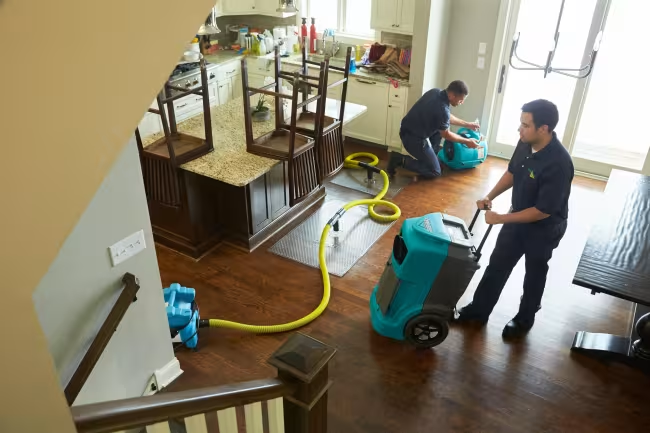
Water Removal & Structural Drying
Contents & Property Protection
Reconstruction Support
How Quickly Can Storm Damage Get Worse?
Champaign's humid summer weather and repeated cycles of heavy rain can make it especially important to address water intrusion promptly after a storm. Severe weather can also leave homes exposed to additional rainfall or temperature changes before permanent repairs are completed.
Within the first few hours: exposed areas can continue taking on water. A damaged roof, broken window, or missing exterior material can allow additional rain into the structure. Standing water may also spread across flooring and migrate into walls and other porous materials.
Within 24 to 48 hours: moisture can create secondary damage concerns. Saturated drywall, insulation, flooring, and other materials may begin deteriorating, while elevated moisture levels create conditions favorable to mold growth. The longer water remains trapped, the harder it can be to identify and dry completely.
After several days: restoration can become more extensive. Persistent moisture can contribute to warped materials, damaged finishes, odors, microbial growth, and deterioration behind walls or beneath flooring. Temporary protection should therefore be followed by a thorough inspection and drying plan.
The goal of fast storm damage restoration is not simply to make the home look better. It is to stabilize the property, identify hidden damage, and address moisture before a manageable emergency becomes a larger restoration project.
What Should You Do After Storm Damage to Your Champaign Home?
Storm damage can be overwhelming, particularly when a severe weather event affects multiple homes throughout Champaign-Urbana at once. Follow these steps to protect yourself and give restoration professionals the information they need.
-
1Step 1Wait Until the Property Is Safe
Do not enter areas with structural damage, downed power lines, active electrical hazards, or unstable debris. If authorities have advised residents to avoid the area, follow those instructions before attempting to inspect the property.
-
2Step 2Stop Additional Water Intrusion If It Is Safe
If a storm has damaged the roof or broken a window, avoid climbing onto the roof or entering unsafe areas to make repairs yourself. Professional emergency tarping or board-up services can provide temporary protection until permanent repairs are completed.
-
3Step 3Document the Damage
Take photos and videos of damaged roofing, windows, siding, flooring, ceilings, belongings, and other affected areas when it is safe to do so. Keep documentation of visible damage before cleanup whenever possible, and contact your insurance company according to your policy requirements.
-
4Step 4Call ServiceMaster DSI - Champaign
Once you and your family are safe, contact ServiceMaster DSI - Champaign for emergency storm damage restoration. The team can evaluate the property, help stabilize exposed areas, address water intrusion, and begin cleanup and restoration around the clock.
Why ServiceMaster is Your Best Choice for Storm Damage Repair
- Highly Skilled Technicians: Our certified technicians are equipped to handle any level of damage.
- Rapid Response: We understand the urgency of storm damage situations and respond quickly to minimize further issues.
- Comprehensive Services: From roof repairs to water damage restoration, we offer a wide range of services to address all aspects of storm damage.
- Hassle-Free Process: We work directly with your insurance company to streamline the claims process and reduce your stress.
- Trusted Experience: With decades of experience, we've built a reputation for excellence in storm damage repair.
Restore Your Champaign Home After Severe Weather
From thunderstorms and hail to tornadoes, high winds, heavy rain, and winter weather, Champaign homeowners face a range of conditions capable of damaging a property. The National Weather Service's central Illinois records show that severe storms and tornadoes are recurring regional hazards, making preparation and a fast response important when a storm impacts your home.
ServiceMaster DSI - Champaign provides 24/7 restoration support for homeowners dealing with the aftermath. From emergency board-up and tarping to water extraction, drying, debris cleanup, contents protection, and reconstruction, the restoration process can be coordinated around the specific damage your home has sustained.
If your property has been damaged by a storm anywhere around Champaign, Urbana, or the surrounding Champaign County communities, don't wait for visible problems to become larger ones. Once the property is safe, contact ServiceMaster DSI - Champaign to begin the restoration process.
Protect your home from further damage—start the restoration process the right way.