Need Commercial Fire Damage Restoration in Champaign, IL?
When a fire disrupts your Champaign business, the damage rarely stops when the flames are extinguished. Smoke and soot can spread through adjoining rooms and HVAC systems, while water from sprinklers or firefighting efforts can saturate walls, ceilings, flooring, inventory, and equipment. ServiceMaster DSI - Champaign provides 24/7 commercial fire damage restoration to help businesses address these problems quickly and begin the recovery process.
Champaign's diverse commercial environment makes every fire loss different. A restaurant near downtown may have extensive kitchen and ventilation contamination, while a retail property near Market Place may face inventory and display damage. Offices, warehouses, educational facilities, and properties around the University of Illinois Urbana-Champaign campus can have different structural materials, equipment, and operational requirements that influence the restoration plan.
Local weather can add another layer of urgency. Champaign experiences cold winters and humid summers, meaning fire-damaged buildings can also face moisture-related complications after water is used to extinguish a fire. During warmer, more humid periods, lingering moisture can make drying more difficult and increase the potential for secondary damage.
ServiceMaster DSI - Champaign combines local restoration support with the resources of the nationally recognized ServiceMaster brand. Its local team provides commercial and residential restoration services throughout Champaign and surrounding communities and is available around the clock for emergency disaster response.
ServiceMaster DSI - Champaign is available 24/7 to begin assessing fire, smoke, soot, odor, and water damage.
What Fire Damage Does a Champaign Business Need to Address?
A commercial fire can create several different categories of damage at once, so restoration needs to go beyond cleaning visible burn marks. ServiceMaster DSI - Champaign evaluates the property to identify fire, smoke, soot, odor, and water damage before developing a restoration plan.
For Champaign businesses, this may mean coordinating restoration around customer traffic, employees, sensitive equipment, inventory, or other operational requirements. The goal is to stabilize the property, address the damage thoroughly, and move the business toward reopening.
What Commercial Fire Damage Restoration Services Are Available?
Commercial fire losses rarely involve just one cleanup task. ServiceMaster DSI - Champaign provides a coordinated restoration process designed to address the different forms of damage a business may encounter after a fire.
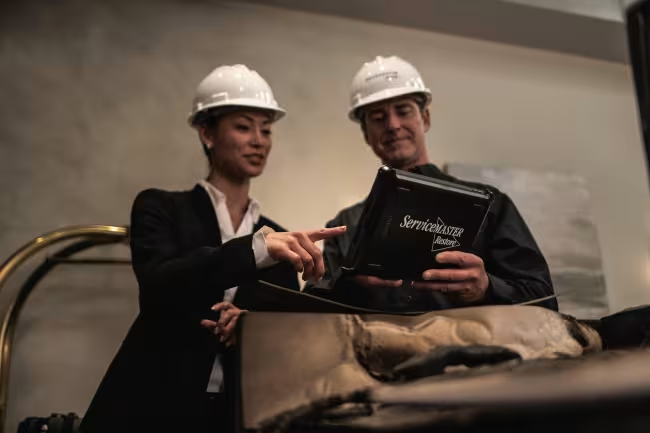
Fire and Smoke Damage Cleanup
The first priority is identifying the extent of the damage and determining which areas require cleaning, restoration, or additional repair. Technicians assess affected surfaces and contents before beginning appropriate cleaning procedures.
Smoke can travel into spaces that appear unaffected, particularly through air circulation systems and open pathways within a commercial building. Cleaning should therefore account for areas beyond the immediate fire scene.
Soot and Residue Removal
Soot can settle across walls, ceilings, fixtures, equipment, and contents. Depending on the material and type of residue, specialized cleaning methods may be necessary to remove deposits without causing additional damage.
ServiceMaster DSI - Champaign's soot and smoke restoration services include cleaning ash residue, treating affected surfaces and belongings, cleaning carpets and fabrics, and addressing smoke odors.
Smoke Odor Removal and Deodorization
Smoke odors can persist long after the visible residue has been cleaned. Restoration may involve deodorizing affected materials and treating odor sources rather than relying on fragrances or temporary masking agents.
This is particularly important for commercial properties where customers, employees, tenants, or visitors may notice lingering smoke odors after a fire.
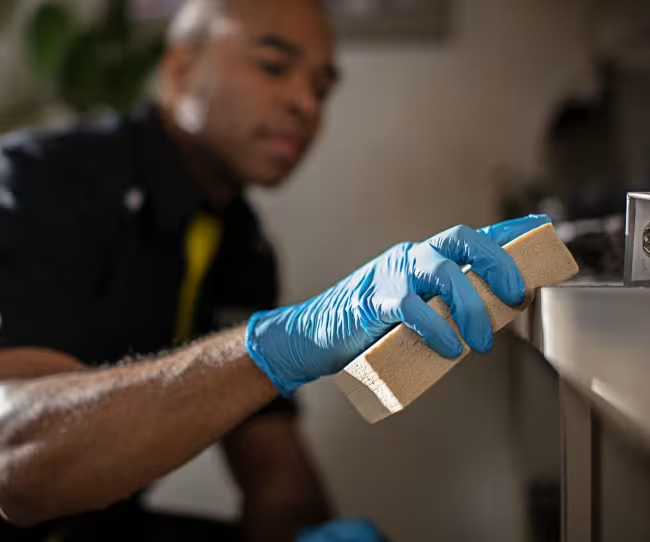
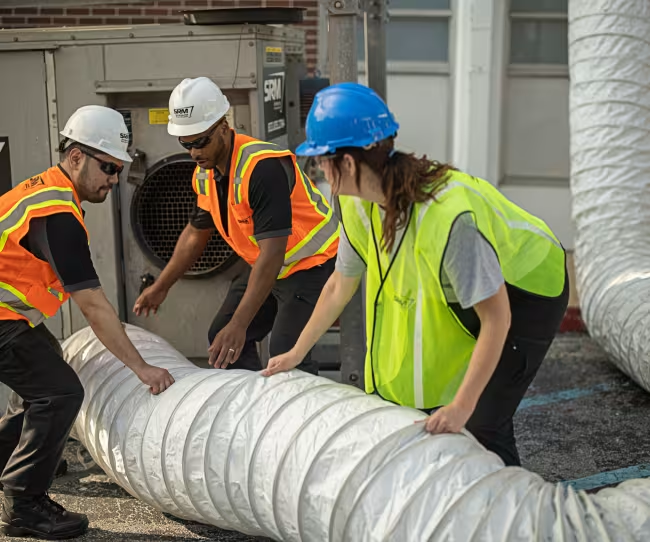
Water Removal and Structural Drying
Fire suppression can create a secondary water-damage emergency. Standing water and saturated materials should be identified and addressed before moisture spreads deeper into the building.
Technicians can evaluate affected areas, remove excess water, and use professional drying equipment to help restore moisture levels. In Champaign's humid summer conditions, thorough drying is especially important because elevated humidity can slow evaporation and complicate restoration.
Contents and Property Restoration
Not everything affected by a commercial fire necessarily needs to be discarded. Depending on the material, condition, and level of contamination, certain furnishings, equipment, documents, inventory, or other contents may be candidates for professional cleaning or restoration.
The restoration team should identify salvageable items and separate them from materials that require disposal or replacement. This can help businesses make informed decisions about their property while limiting unnecessary losses.
Why Choose ServiceMaster DSI - Champaign for Commercial Fire Restoration?
A commercial fire creates pressure to make decisions quickly, but speed should not come at the expense of a complete restoration strategy. ServiceMaster DSI - Champaign approaches commercial fire losses with capabilities designed around the specific challenges of business properties.
Rapid Emergency Response
Smoke, Soot, and Odor Expertise
Restoration for Different Commercial Properties
Support During the Insurance Process
Why Should Champaign Businesses Address Fire Damage Quickly?
Every hour matters after a commercial fire because secondary damage can continue even after the flames are gone.
Immediately after the fire: smoke and soot continue affecting the property. Smoke residue can settle onto surfaces throughout the building, while soot can discolor materials and contribute to corrosion. Some surfaces can become increasingly difficult to clean if residues remain untreated.
Within the first day: water and moisture can create additional problems. Firefighting water can remain inside flooring, drywall, insulation, and other porous materials. If moisture is not removed and monitored, additional deterioration can occur.
Over the following days: odors and contamination become more difficult to manage. Smoke odors can penetrate porous furnishings, carpeting, fabrics, and building materials. Humid Champaign weather can further complicate drying during warmer months.
As the loss continues: business disruption can grow. Damaged workspaces, inventory, equipment, or customer areas can prevent normal operations. The longer restoration takes, the longer employees and customers may be affected.
Fast professional assessment does not guarantee that every damaged material can be saved, but it gives the property the best opportunity to limit secondary damage and identify salvageable contents before conditions worsen.
What Should You Do After a Commercial Fire in Champaign?
The first priority after a fire is safety. Do not enter a fire-damaged building until the appropriate authorities have determined that it is safe to do so. Once the property has been cleared for entry, take practical steps to protect the building and begin the recovery process.
-
1Step 1Wait for the Property to Be Declared Safe
Do not re-enter a fire-damaged commercial property simply because the flames are out. Structural instability, electrical hazards, smoke, soot, and other dangers may remain after the fire department leaves.
-
2Step 2Protect the Property From Further Exposure
If the building has damaged doors, windows, roofing, or other openings, work with qualified professionals to secure the property. Avoid attempting repairs yourself if the structure or utilities may be compromised.
-
3Step 3Document the Damage
Once it is safe, photograph and record affected rooms, equipment, inventory, furnishings, building materials, and visible smoke or water damage. Keep damaged items in place when possible until they have been documented and evaluated.
-
4Step 4Contact Your Insurance Provider
Notify your insurance carrier about the loss and ask about required documentation, emergency measures, and claim procedures. Keep copies of estimates, photographs, receipts, and restoration-related records.
-
5Step 5Call ServiceMaster DSI - Champaign
Once the property is safe and the initial documentation is complete, contact ServiceMaster DSI - Champaign for emergency fire damage restoration. The team is available 24/7 to assess fire, smoke, soot, odor, and water damage and begin developing a restoration plan.
Request specialized restoration services designed for commercial spaces.