Fast Mold Inspection, Containment & Commercial Property Recovery
IICRC-Certified Restoration Team Serving Akron, Summit County & Northeast Ohio
Business owners, facility managers, property managers, healthcare facilities, educational institutions, manufacturers, warehouses, and retail operators cannot afford for mold contamination to interfere with daily operations. Commercial mold remediation services help identify moisture problems, contain contamination, remove affected materials, and restore commercial environments so businesses can move toward normal operations.
Akron's location in the Cuyahoga River watershed and Northeast Ohio's changing weather conditions create several opportunities for commercial moisture problems. Heavy spring and summer thunderstorms can challenge roofing systems and building envelopes, while winter snow accumulation, freeze-thaw cycles, and snowmelt can introduce hidden moisture. Humid summers and HVAC-related condensation can also contribute to moisture accumulation inside commercial facilities.
From historic commercial buildings and healthcare campuses to manufacturing facilities and modern office developments, ServiceMaster CDR - Akron provides local support for commercial mold remediation services, professional mold inspection, commercial building mold removal, and mold damage restoration for businesses throughout the Akron area.
Need Commercial Mold Removal Services in Akron, OH?
Severe thunderstorms and prolonged rainfall, seasonal snowmelt and freeze-thaw cycles, and HVAC condensation or hidden plumbing leaks can all create conditions where mold develops inside Akron commercial properties. When these issues occur, commercial mold remediation services can help identify the moisture source and determine the appropriate response. Professional mold removal services may include moisture investigations, containment, removal of damaged materials, and restoration. A professional mold inspection can help locate hidden contamination, while commercial building mold removal addresses affected areas. For businesses dealing with extensive damage, mold damage restoration for businesses helps return the facility to functional condition through coordinated mold remediation and repairs. ServiceMaster CDR - Akron serves Akron, Fairlawn, Copley, Stow, Tallmadge, Green, and surrounding Summit County business communities.
Mold Concerns Disrupting Your Akron Facility? Schedule a Professional Inspection Today.
Musty odors, employee complaints, visible mold growth, indoor air quality concerns, water stains, and recurring moisture problems can all warrant further evaluation. Addressing these conditions promptly can help organizations protect occupants, limit the spread of contamination, and reduce disruption to business operations.
Professional Mold Inspection for Akron Commercial Properties
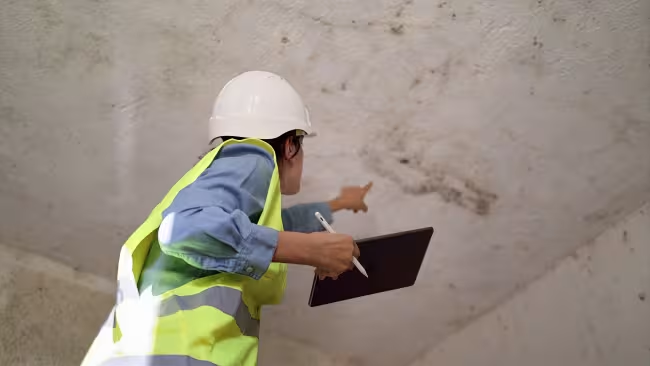
Hidden moisture and concealed building leaks can allow mold problems to develop where they are difficult to see. Professional mold inspections and moisture investigations can include moisture mapping, leak detection, indoor air quality evaluations, roof-system assessments, building-envelope inspections, and HVAC system analysis.
This is particularly important for Akron's hospitals, schools, industrial facilities, warehouses, and office buildings, where moisture may remain behind walls, above ceilings, or within mechanical systems. Identifying moisture and potential contamination early gives property managers and facility teams more information for addressing the underlying problem before additional portions of the building become affected.
Commercial Building Mold Removal & Containment
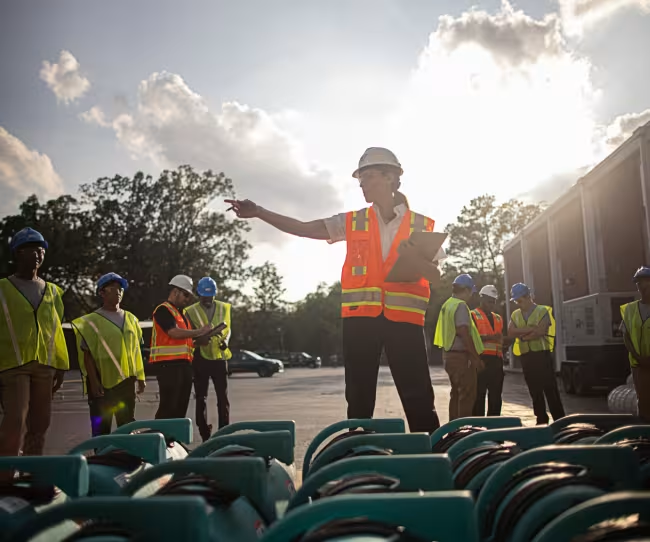
Storm-related water intrusion and seasonal humidity can create conditions that accelerate mold growth, particularly following roof leaks, flooding, or other water damage. Commercial building mold removal requires appropriate containment procedures to help control the movement of airborne contamination during remediation.
Containment barriers, HEPA filtration, air-quality protection, safe removal of contaminated materials, occupant protection, and correction of the moisture source can all be part of a commercial remediation strategy. For occupied Akron facilities, prompt containment can help limit the spread of contamination into workspaces and neighboring areas while remediation is underway.
Mold Damage Restoration for Businesses
Long-term moisture exposure and HVAC-related issues can leave commercial properties with damaged drywall, ceilings, insulation, and other building materials. After remediation, mold damage restoration for businesses may include drywall replacement, ceiling restoration, insulation replacement, structural drying, interior finish repairs, and return-to-operation planning.
Akron's seasonal weather fluctuations and extensive use of commercial HVAC systems can contribute to recurring moisture problems when building systems are not functioning efficiently. Effective recovery addresses both the contamination and the resulting property damage so the facility can move toward normal business functionality.

Why Choose ServiceMaster CDR - Akron for Commercial Mold Remediation Services in Akron?
Advanced Moisture Source Detection
Professional Containment Systems
Business Continuity-Focused Recovery
Northeast Ohio Commercial Experience
Why Commercial Mold Damage Can't Wait in Akron
Mold contamination often continues spreading as long as moisture remains present within a facility.
- Within Days: Mold Can Spread into Additional Building Materials. Active moisture allows contamination to expand into drywall, insulation, ceiling systems, flooring materials, and other porous surfaces. The longer affected materials remain exposed to moisture, the more areas may require evaluation.
- Within Weeks: Building Systems May Become Affected. Mold growth can spread into HVAC systems, wall cavities, storage areas, and neighboring occupied spaces where contamination can become more difficult to identify. Hidden conditions may require more extensive investigation and containment.
- Over Time: Recovery Becomes More Disruptive. Delaying remediation can increase restoration requirements, extend project timelines, and create additional operational interruptions. Commercial facilities may also have to coordinate repairs around employees, customers, tenants, equipment, inventory, or other ongoing activities.
Prompt mold remediation helps reduce contamination, preserve assets, and support a more efficient recovery process.
What to Do Immediately After Discovering Mold in Your Akron Facility
-
1Step 1Restrict Access to Affected Areas
Limit traffic through impacted spaces until contamination levels and moisture conditions can be professionally evaluated. Restricting access can help reduce unnecessary exposure and disturbance of affected materials.
-
2Step 2Document Building Conditions
Photograph mold growth, water stains, leaks, damaged materials, and operational impacts before remediation work begins. Documentation can help facility managers communicate the scope of the issue and coordinate next steps.
-
3Step 3Address Active Moisture Sources
If safe to do so, stop ongoing leaks, reduce additional water exposure, and improve airflow while awaiting professional assessment. Correcting the moisture source is an important part of addressing mold conditions.
-
4Step 4Contact a Commercial Mold Remediation Professional
Schedule a professional inspection, containment assessment, and remediation plan before contamination spreads throughout the facility. A coordinated approach can help identify affected areas and determine appropriate restoration needs.
Protect Your Akron Business with Professional Mold Remediation
ServiceMaster CDR - Akron provides commercial restoration support for businesses and facilities dealing with moisture, mold contamination, and property damage. Our team understands the challenges created by Akron's thunderstorms, winter snowmelt, humid summers, freeze-thaw cycles, and the region's varied commercial environments. We can help identify moisture issues, remove affected materials, and restore damaged spaces while considering employees, customers, tenants, indoor air quality, operational continuity, and long-term property needs. Address mold concerns promptly before contamination spreads farther, disrupts operations, and increases restoration requirements.