Mold Problems in Jenison Homes?
Homes throughout Jenison can experience moisture conditions that create an environment for mold growth. Heavy rain, spring snowmelt, drainage overflow, and basement seepage near the Grand River, Rush Creek floodplain areas, and the Riverview Airport area can introduce unwanted moisture into lower levels. Michigan winters may contribute to roof leaks, ice dams, wet attic insulation, and ceiling stains, while plumbing leaks, appliance failures, and bathroom humidity can affect homes near Baldwin Street, Cottonwood Drive, Chicago Drive, and established Jenison neighborhoods. Our mold remediation process starts with a moisture assessment, identification of the source, containment planning when appropriate, removal or cleaning of affected materials, drying and dehumidification, and documentation with repair coordination when needed.
Mold or moisture concerns in your Jenison home? ServiceMaster Water & Fire Restoration by Synergy is available 24/7 for remediation support.
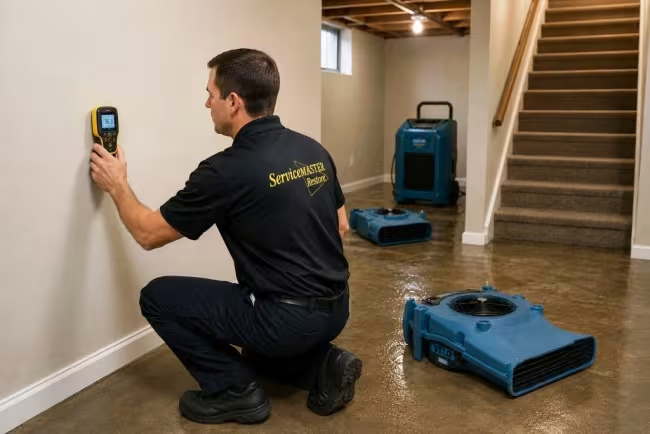
Grand River, Rush Creek & Basement Mold Remediation
Basement moisture is a common concern for homeowners throughout Jenison, especially after heavy rain, spring snowmelt, stormwater runoff, or localized flooding near the Grand River and Rush Creek corridors. Musty odors, mold on drywall, framing, carpet, stored belongings, and basement finishes often follow seepage through foundation walls, floor drains, windows, or exterior doors. Our basement mold cleanup approach includes moisture-source assessment, containment planning when appropriate, removal of unsalvageable materials, detailed cleaning of eligible surfaces, structural drying, dehumidification, and documentation that may assist homeowners during the recovery process.
Ice Dams, Roof Leaks & Attic Mold Cleanup
Winter weather and seasonal storms can allow water to enter through damaged shingles, flashing, skylights, vents, gutters, or other roof penetrations. Homeowners may notice ceiling stains, attic moisture, wet insulation, or mold growth on attic sheathing and framing after snowmelt or heavy rain. Water can also travel into walls, ceilings, closets, and upper-floor rooms long before the source becomes obvious. Our mold cleanup services include moisture inspections, identification of water-damaged materials, removal or cleaning according to the remediation plan, drying and dehumidification, monitoring, and coordination of repair needs when appropriate.
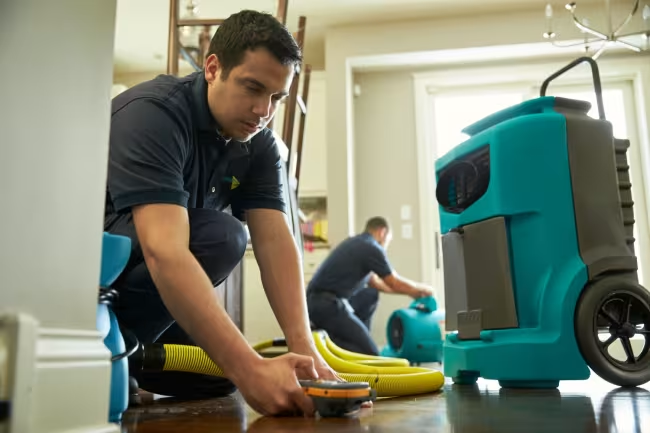
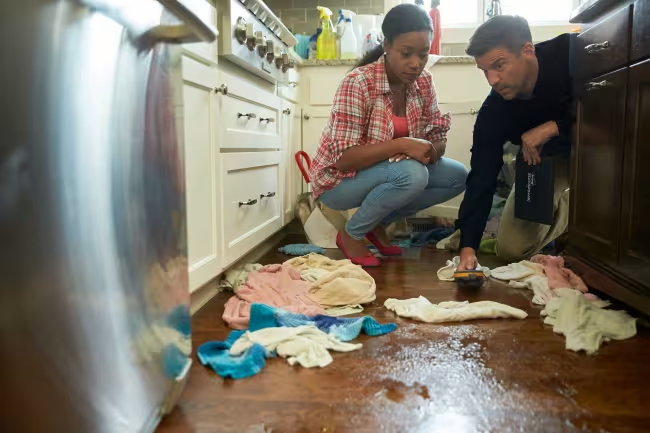
Plumbing Leaks, Bathroom Moisture & Hidden Mold Removal
Not all mold issues begin with storms or flooding. Slow plumbing leaks, appliance overflows, condensation, and bathroom humidity can create hidden moisture behind walls, beneath flooring, and around fixtures. Homeowners often discover mold beneath sinks, around tubs, behind toilets, or near leaking refrigerators, dishwashers, washing machines, and water heaters. Our mold removal services include moisture detection, investigation of the leak or condensation source, removal or cleaning of affected materials as appropriate, drying, dehumidification, cleanup of damaged work areas, and recommendations to help correct the moisture source before repairs are completed.
Why Choose ServiceMaster Water & Fire Restoration by Synergy for Mold Remediation

Moisture Source Investigation
Containment & Detailed Cleanup
Drying & Dehumidification
Documentation & Repair Coordination
Why Mold Damage Can't Wait in Jenison Homes
Heavy rain, Grand River and Rush Creek floodplain conditions, snowmelt, basement moisture, roof leaks, plumbing failures, and condensation concerns all make prompt attention important for Jenison homeowners.
Within the first 24 to 48 hours: Wet drywall, carpet, insulation, flooring, ceiling materials, and stored belongings can begin supporting mold growth after water intrusion, seepage, or leaks. Prompt drying may help reduce the likelihood of a larger problem developing.
Over the next several days: Moisture can migrate into hidden spaces behind walls, above ceilings, beneath flooring, around baseboards, near plumbing fixtures, and within attic, basement, or crawl-space materials where damage may not be immediately visible.
After a week: Cleanup and repair needs can become more extensive. Damaged drywall, insulation, trim, flooring, cabinetry, affected contents, and persistent odors may require more organized remediation and repair coordination efforts.
Prompt water damage mold remediation and moisture control can help limit the number of affected materials and make home recovery more manageable.
What to Do When You Find Mold or Moisture in Your Jenison Home
-
1Step 1Stop Active Water if It Is Safe
If possible and safe to do so, shut off a leaking appliance or fixture and contain minor drips. Report roof leaks, plumbing failures, or basement water entry as quickly as possible.
-
2Step 2Avoid Disturbing Visible Mold
Do not scrub, sand, remove drywall, pull out insulation, or direct fans onto visibly affected areas before they have been properly assessed.
-
3Step 3Document the Moisture and Damage
Take photographs of visible growth, staining, wet materials, plumbing leaks, roof leaks, basement seepage, damaged flooring, and affected belongings before moving items whenever practical.
-
4Step 4Call ServiceMaster Water & Fire Restoration by Synergy
Professional mold remediation is often the next step when a home requires moisture assessment, containment planning, drying, cleanup, affected-material removal, or repair coordination.