Need Fire Damage Restoration in Fort Dodge, IA?
A fire can wreck a home in minutes, but the part that lingers is usually what happens after the flames are out. In Fort Dodge, that often starts with something ordinary — an electrical short, a pan left too long on the stove, a heating system giving out at the worst possible time. Once that happens, smoke doesn't stay put. It rides the ductwork into rooms nowhere near the fire, works its way into furniture and fabric, and leaves a smell that sticks around long after the mess looks cleaned up. Soot's its own problem on top of that — it's acidic, and left alone it'll keep eating into walls, ceilings, flooring, and anything else it landed on. Iowa's cold stretch of the year makes all of this worse in a few specific ways: homes get sealed up tight against the weather, which traps smoke and odor instead of letting it clear out. Fort Dodge homes also aren't all built the same way. You've got older places downtown standing next to newer builds and everything renovated in between, and that mix means no two fire cleanups here look quite the same.
ServiceMaster by Rice - Fort Dodge handles all of it — emergency stabilization, smoke and soot cleanup, odor removal, and getting your home back to where it needs to be, whatever kind of house you're dealing with.
Fire or Smoke Damage in Your Fort Dodge Home? Call Now.
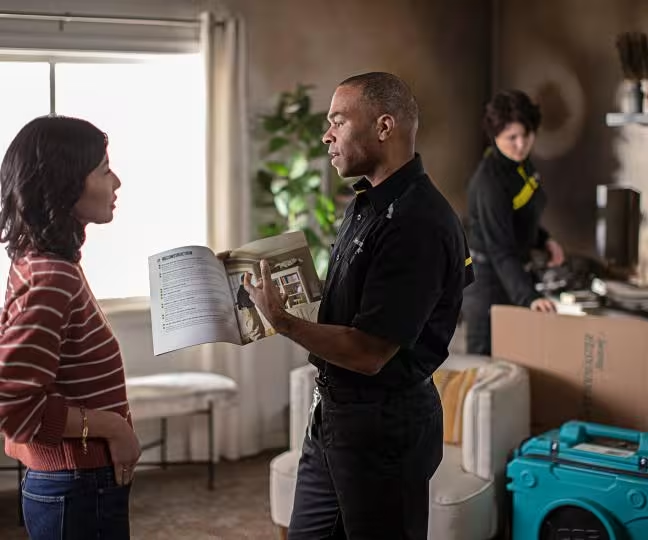
Cooking Fires
Nationally, cooking is the single biggest reason house fires start in the first place, and Fort Dodge kitchens aren't any exception. It's rarely something dramatic — a pan left on too long, grease that catches while someone steps away for a minute, a dish towel too close to a burner, oil that gets a little hotter than anyone meant it to. Holidays and big family meals make it worse, since more burners running at once and more distractions in the kitchen add up to more chances for something to go wrong. Because kitchens sit at the center of a home, right next to cabinetry, open shelving, and whatever's on the counters nearby, a fire that starts there has a real head start on spreading before anyone even reaches for an extinguisher. And once it's out, the smoke from a kitchen fire doesn't stay in the kitchen — it travels through the house the same way cooking smells always have, just carrying soot and odor along with it this time.
Winter Heating Equipment Fires
Heating equipment is the second most common cause of house fires nationally, and it's a bigger deal here than in a lot of places, simply because Iowa's heating season runs so long. Furnaces, space heaters, and older heating systems all get pushed harder for more months out of the year in Fort Dodge than they would in a milder climate, and that extra strain is exactly what turns an ordinary winter into a real fire risk. Space heaters cause a disproportionate share of the damage when something goes wrong, especially when they're placed too close to bedding, curtains, or furniture, or left running overnight in a room nobody's watching. Older furnaces and chimneys carry their own risk too, since a system that's been quietly wearing down for years doesn't always give much warning before it fails.
Electrical Fires
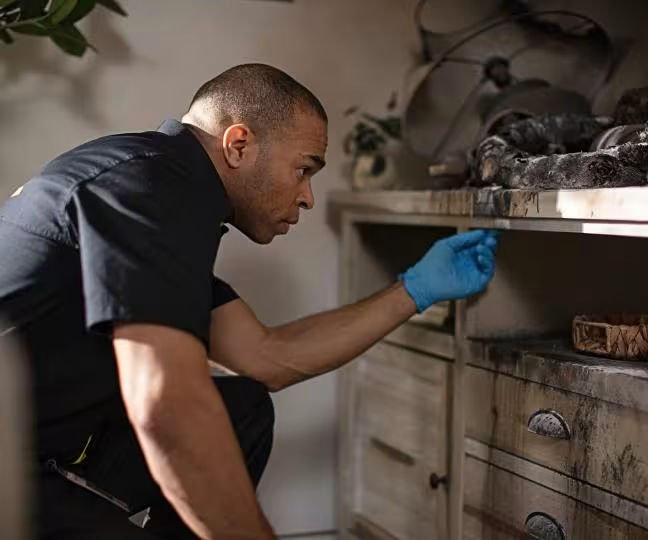
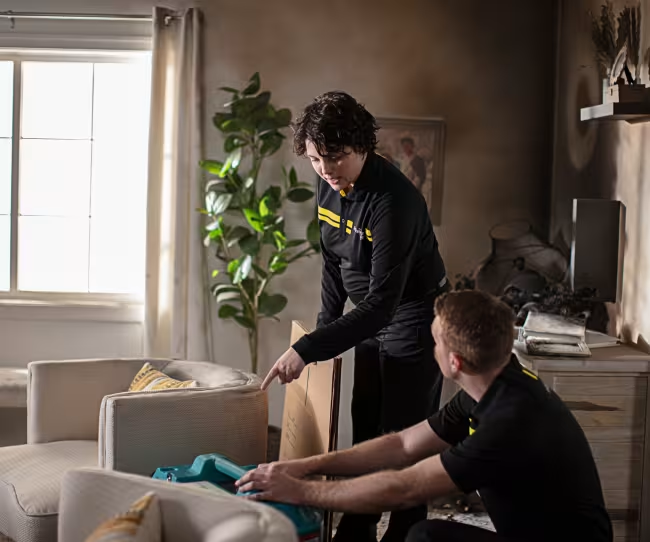
Electrical issues are consistently one of the top causes of house fires nationally, and older wiring is a big part of why. Fort Dodge's mix of housing stock means a good number of homes are still running on electrical systems that were installed decades before anyone plugged in a microwave, a space heater, a couple of laptops, and a home entertainment setup all in the same room. Overloaded circuits, aging insulation on old wiring, and outlets that were never meant to carry today's load all raise the odds of a short or a spark somewhere behind the walls. These fires are especially unsettling because they often start in places nobody's looking — inside a wall cavity, behind an outlet, above a ceiling — which means the damage can be more extensive than anyone realizes before it's finally discovered.
Why Fort Dodge Homeowners Trust Our Fire Damage Restoration Services
Rapid Emergency Response
Smoke & Soot Expertise
Advanced Deodorization Methods
Full-Service Recovery Support
Why Fire Damage Requires Immediate Attention
Immediately: Smoke and soot can continue spreading throughout the property, including areas that were not directly affected by flames.
Within hours: Soot residue can begin damaging surfaces and belongings. The longer acidic soot remains in place, the greater the potential for staining and deterioration.
Within days: Smoke odors can become more deeply embedded in porous materials, making professional deodorization increasingly important.
Fast fire damage restoration can help reduce the potential for permanent damage and may limit the overall scope and cost of recovery.
What to Do After a Fire in Fort Dodge
-
1Step 1Prioritize Safety
Do not enter the property until it has been deemed safe by the appropriate authorities or qualified professionals. Fire can compromise structural components and create hazards that are not immediately visible.
-
2Step 2Avoid Touching Damaged Surfaces
Avoid wiping, scrubbing, or attempting to clean soot-covered surfaces yourself. Soot can smear easily and may cause additional damage when handled incorrectly.
-
3Step 3Secure the Property
Once it is safe to do so, take appropriate steps to protect the property from additional exposure and unauthorized entry. Fire-damaged structures may have openings that leave the interior vulnerable to weather.
-
4Step 4Call ServiceMaster by Rice - Fort Dodge
Contact our Fort Dodge fire damage restoration team for immediate assistance. We can assess the damage, begin emergency cleanup, and help determine the next steps toward restoring your home.