Need Commercial Mold Removal in Des Moines, IA?
Des Moines commercial properties give moisture plenty of ways to stick around. As a regional center for insurance, finance, government, and healthcare, the city is filled with office towers, historic warehouses, and mixed-use buildings that face very different mold risks. Near the confluence of the Des Moines and Raccoon Rivers, older downtown and East Village buildings sit on stone and brick foundations, and their lower levels often stay damp. Past floods have pushed river water into basements across the area. Along Court Avenue and in the Western Gateway, restaurants and bars in converted buildings deal with moisture from kitchens, dish areas, and coolers. The city's skywalk system connects many downtown towers, so a moisture problem in one building's lower levels or connecting corridors can affect several spaces. Iowa's humid summers keep moisture hanging in the air. Severe storms and derecho-strength winds have torn open roofs across the metro. Freeze-thaw winters put flat roofs and building envelopes through months of stress, opening seams where water seeps in unnoticed. ServiceMaster by Rice handles commercial mold removal with building inspections, moisture assessment, containment, and remediation. From an office building mold inspection to mold removal for property managers, we look at the property as a whole. We're proud to help Des Moines businesses keep their buildings healthy for the people inside.
Found Mold in Your Des Moines Building? Keep It Contained With Professional Inspection And Remediation Built Around Your Tenants. Call Now.

Commercial Lower-Level Mold Remediation
Lower levels have a way of holding onto moisture. In older downtown Des Moines and East Village properties near the confluence of the Des Moines and Raccoon Rivers, stone and brick foundations absorb groundwater and release it slowly into basements, storage rooms, and mechanical spaces. Past river floods left some of these buildings soaked for weeks, and lingering dampness can remain in walls and floors long after. Humid Iowa summers make it worse, keeping below-grade air heavy and stagnant. Mold grows behind stored files, under carpet, and along lower walls, often out of sight. We find the moisture feeding the growth and contain the affected space before it spreads.
Office Building Mold Inspection
Winter may be happening outside, but moisture problems still develop indoors. Des Moines office towers stay sealed and heated for months while freeze-thaw weather works on flat roofs and exterior walls. Small leaks can soak ceiling tiles and insulation for weeks before anyone notices. Where warm indoor air meets cold exterior glass and concrete, condensation builds around windows and along corner offices. When spring and summer humidity arrive, those damp spots turn into mold growth. It can appear as stained tiles, musty conference rooms, or employees with headaches and allergy symptoms, and it's often spread further than it looks.

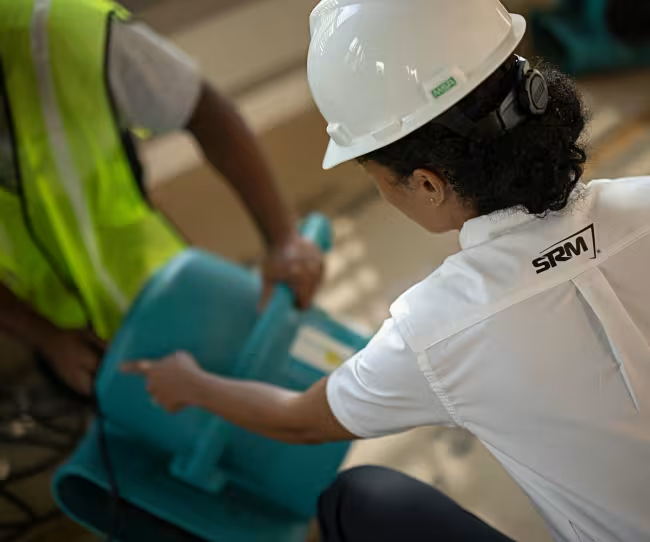
Emergency Mold Remediation for Property Managers
One mold problem gets complicated quickly when several tenants share a building. Across Des Moines' insurance, finance, and professional office properties, managers may be juggling access across multiple floors, businesses, and shared spaces at once. Mold found in one suite can raise concerns in every suite around it. Tenants want answers, employees worry about their health, and leasing schedules can stall while the problem is sorted out. Skywalk-connected buildings add another layer, since corridors and shared areas link spaces together. A delayed or incomplete response can turn a single damp ceiling into a building-wide issue.
Why Choose ServiceMaster by Rice for Commercial Mold Removal
Find the Moisture
Keep Cleanup Contained
Keep Records Organized
Work Around Tenants
Why Commercial Mold Can't Wait in Des Moines Buildings
In a commercial property with shared spaces and building systems, a small damp area has plenty of places to go if the moisture sticks around.
Within 24 to 48 hours, damp materials may support mold growth. Ceiling tiles, insulation, drywall, and other porous materials provide favorable conditions when moisture remains after condensation, a roof leak, or another water intrusion.
Within one to two weeks, the affected area may keep expanding. Continued moisture gives growth time to reach surrounding materials, while shared airflow may carry spores or musty odors toward other occupied spaces.
After a month or longer, the job may become much larger. More affected material can complicate tenant access, property documentation, and remediation while taking more of the commercial space out of use.
What to Do as Soon as You Notice Mold in Your Des Moines Building
-
1Step 1Avoid Disturbing the Mold
Skip the scrubbing and sprays. Disturbing visible growth may send spores into the surrounding air, especially when the affected room shares ventilation with other occupied areas of the commercial property.
-
2Step 2Restrict Access to the Area
Keep employees, tenants, and visitors away from the affected space. Where appropriate, isolate nearby airflow while waiting for assessment so activity around the suspected mold stays as controlled as possible.
-
3Step 3Document What You See
Photograph visible growth and nearby moisture damage. Make note of musty odors and when they appeared so restoration professionals, insurers, and property management teams have useful information for the next steps.
-
4Step 4Call ServiceMaster by Rice - Des Moines
Schedule a commercial building inspection once you have documented the area. Acting early keeps the response focused on a smaller space while reducing potential remediation costs and tenant interruptions across Des Moines.