Need Mold Removal or Basement Mold Treatment in Traverse City, MI?
Traverse City homes deal with moisture from just about every direction. Grand Traverse Bay and Lake Michigan influence the local climate, bringing heavy winter snowfall, wet shoulder seasons, and plenty of moisture that can linger around homes. That can be particularly challenging for Traverse City's older housing stock, where aging foundations, original woodwork, older windows, and decades of renovations can leave hidden places for moisture to collect.
Basements near the Boardman River, crawlspaces beneath older homes, and attic areas can all develop damp conditions after snowmelt, rain, plumbing leaks, or winter condensation. A small moisture problem can become a bigger mold concern when it remains hidden behind finished walls, beneath flooring, or inside insulation.
ServiceMaster Restoration Services - Traverse City helps homeowners address mold problems by finding where moisture is coming from, identifying affected areas, and containing the problem before it spreads farther. We serve Traverse City and surrounding Grand Traverse County communities with mold remediation suited to Northern Michigan homes.
Seeing Mold or Musty Odors in Your Traverse City Home? Call Anytime—Remediation Starts Fast.

Basement & Crawlspace Mold From Persistent Moisture
Traverse City’s wet seasons can be hard on the parts of a home that sit below grade. Snowmelt, spring rain, groundwater seepage, and small foundation leaks can leave basements and crawlspaces damp long after the visible water is gone. That becomes especially important in older homes around areas such as Slabtown and the neighborhoods near the Boardman River, where foundations and lower-level spaces may have been updated over the years rather than built all at once. A musty smell, damp insulation, or discoloration along basement walls can signal moisture hiding where you cannot easily see it. Once that moisture lingers, mold can develop on wood framing, drywall, carpeting, and stored belongings.
Attic Mold From Snow, Ice & Winter Moisture
Traverse City winters bring plenty of snow, with the area's proximity to Lake Michigan helping fuel heavy lake-effect snowfall. For homes with older roofing, limited attic ventilation, or uneven insulation, winter moisture can become trapped above the living space. Ice along roof edges can contribute to water finding its way beneath roofing materials, while warm indoor air meeting a cold attic can create condensation around rafters, roof decking, and insulation. That combination can leave mold growing overhead before anything appears on the ceiling below. This can be particularly important in older Traverse City homes and seasonal cottages, where attic assemblies may have been modified through multiple renovations. A darkened patch of roof decking or a persistent musty odor upstairs can be the first clue that moisture has been collecting out of sight.

Hidden Mold From Humidity, Leaks & Coastal Moisture
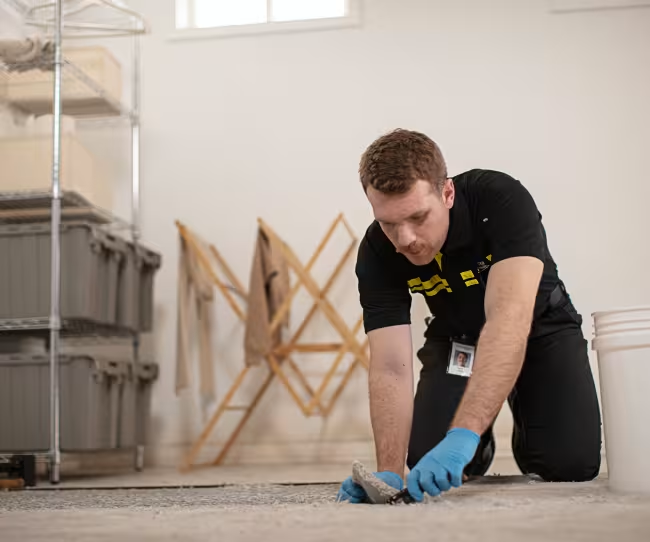
Mold does not always arrive with a dramatic flood. In Traverse City, moisture can build gradually through a slow plumbing leak, condensation, damp crawlspace, or humid summer air moving through poorly ventilated areas. The lake-influenced climate keeps moisture in the picture throughout the year, while older homes, cottages, and finished lower levels can contain plenty of places for it to hide. A leaking bathroom supply line might dampen a wall cavity. Condensation behind a piece of furniture can affect an exterior wall. A slow roof leak can leave insulation wet without producing an obvious ceiling stain. These quiet moisture problems can give mold time to spread behind walls, beneath flooring, or inside closets before homeowners realize there is a problem.
Why Choose ServiceMaster Restoration Services for Mold Remediation in Traverse City
Advanced Moisture Mapping
HEPA-Filtered Air Containment
Complete Structural Drying
Source-Focused Remediation
Why Mold Remediation Can’t Wait in Traverse City Homes
Northern Michigan’s combination of lake humidity, seasonal storms, snowmelt, and temperature fluctuations can accelerate mold growth inside residential properties. Waiting too long after discovering mold may allow the problem to spread and increase restoration needs.
Within 24 hours: Moisture can activate mold spores on materials such as drywall, insulation, and wood framing, especially in damp basements and poorly ventilated attic spaces.
Within 48 hours: Mold growth may begin spreading behind walls, ceilings, and other hidden areas where moisture remains trapped.
Within 7 days: Mold can contribute to damage affecting insulation, building materials, and affected areas throughout your home.
What to Do Immediately After Finding Mold in Your Traverse City Home
-
1Step 1Avoid Disturbing the Affected Area
Do not scrub, scrape, or disturb visible mold growth. Attempting to clean mold without proper containment can release spores into the air and potentially spread contamination.
-
2Step 2Improve Ventilation Safely
If conditions allow, increase ventilation by opening windows or doors. However, avoid directing airflow directly across visible mold, as this may spread airborne particles.
-
3Step 3Identify Possible Moisture Sources
Look for potential causes such as plumbing leaks, condensation, foundation seepage, roof issues, or previous water damage. Identifying the moisture source helps technicians create an effective remediation plan.
-
4Step 4Call ServiceMaster Restoration Services - Traverse City
Once the area is stabilized, contact ServiceMaster Restoration Services - Traverse City for professional inspection, containment, and mold removal services. Fast action is especially important in Traverse City’s humid, lake-influenced environment.