Need Fire Damage Restoration in Traverse City, MI?
Walking back into your Traverse City home after a fire can feel overwhelming. The flames may be gone, but the damage often keeps unfolding. Smoke can drift far beyond the room where the fire started, soot can settle into furniture and finishes, and water from firefighting efforts can leave behind new concerns.
Homes throughout Traverse City, from older neighborhoods near downtown and the Boardman River corridor to lake cottages and year-round residences around Grand Traverse Bay, each have their own challenges after a fire. Older heating systems, fireplaces, kitchen accidents, and aging electrical components can all become serious risks during Northern Michigan’s long winters and changing seasons. Traverse City’s housing stock includes a significant number of older homes, making careful evaluation important after a loss.
Whether a fire starts in the kitchen, basement, garage, or utility area, the impact is rarely limited to the flames. Smoke, soot, odors, and moisture can affect the spaces where your family lives every day. ServiceMaster helps Traverse City homeowners begin the recovery process by addressing fire damage, smoke contamination, and water impacts throughout Grand Traverse County.
Fire & Smoke Damage in your Traverse City Home? Call Now for Complete Restoration
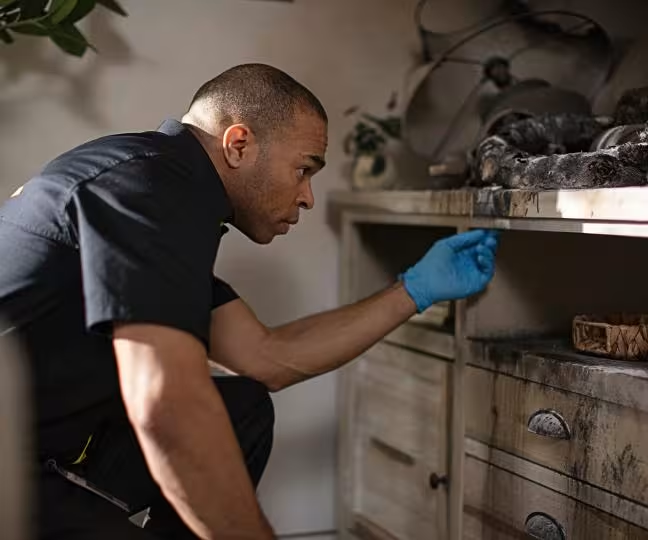
Winter Heating Fires in Traverse City Homes
Traverse City’s long, snowy winters mean furnaces, fireplaces, and heating equipment work hard for months at a time. In older homes throughout neighborhoods near downtown, Boardman, and surrounding residential areas, aging heating systems, chimney issues, and supplemental heaters can create increased fire risks during the coldest parts of the year. A heating-related fire can quickly affect more than the original source. Smoke can move through bedrooms, living spaces, and hidden areas, while older construction materials may hold onto soot and odors long after the flames are gone. For Traverse City homeowners, winter preparation is an important part of protecting the homes that make Northern Michigan unique.
Kitchen Fires in Family Homes
The kitchen is where daily life happens, but it is also one of the most common places for residential fires to begin. In Traverse City homes, from historic properties near downtown to lake cottages around Grand Traverse Bay, unattended cooking, overheated appliances, and electrical issues near kitchen equipment can quickly create serious damage. Many area homes feature unique layouts, original finishes, and open living spaces that allow heat and smoke to travel quickly. Even a small kitchen fire can leave smoke residue throughout nearby rooms, affecting cabinets, furniture, flooring, and personal belongings far beyond where the flames started.
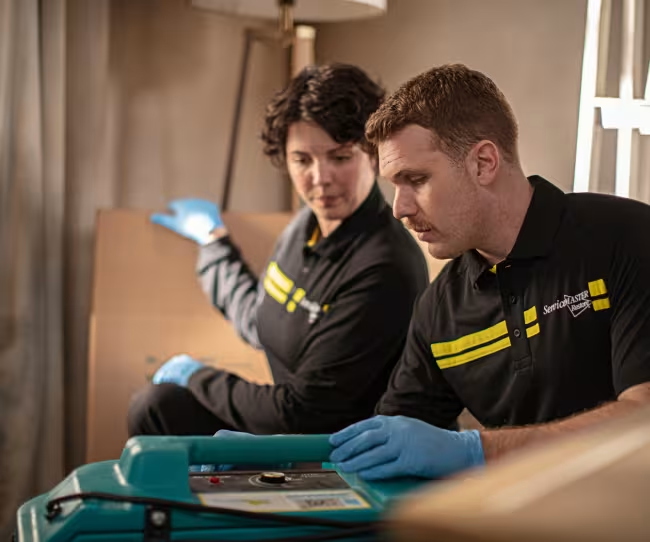

Electrical Fires in Older Homes & Cottages
Traverse City’s residential landscape includes historic homes, seasonal cottages, and properties built across many generations. As modern appliances, electronics, and household systems place greater demand on electrical networks, older wiring, outlets, and panels may face additional strain. An electrical issue hidden behind a wall or inside a utility area can quickly become a serious fire event. Homes near downtown, older neighborhoods, and lake communities may require special attention because preserving original character often comes alongside maintaining aging infrastructure. For homeowners, understanding how older electrical systems interact with today’s technology is an important part of protecting Traverse City properties.
Why Choose ServiceMaster for Fire Damage Restoration in Traverse City
Rapid Fire Response & Board-Up Protection
Advanced Smoke & Odor Elimination
Full Fire + Water Damage Recovery
Detailed Reconstruction Planning
Why Fire Damage Can’t Wait in Traverse City Homes & Businesses
Traverse City’s combination of older construction, wood-frame buildings, lake humidity, and seasonal weather can allow fire-related damage to continue developing after the flames are gone.
Within hours: Smoke and soot begin settling into walls, flooring, furniture, and personal belongings. Porous materials can quickly absorb corrosive particles.
Within 24–48 hours: Smoke odors spread deeper through HVAC systems and hidden spaces, while soot residue may begin affecting metal fixtures and surfaces.
After several days: Structural concerns, persistent odors, and deeper contamination can make restoration more complex, especially in older homes and downtown commercial buildings.
What to Do Immediately After Fire Damage in Your Traverse City Property
-
1Step 1Ensure Everyone Is Safe and Accounted For
Do not enter a fire-damaged structure until officials confirm it is safe. Hidden structural damage and hot spots may remain after the flames are gone.
-
2Step 2Avoid Touching Soot or Damaged Materials
Soot can spread easily and may contain harmful contaminants. Avoid cleaning surfaces or moving belongings until the damage has been evaluated.
-
3Step 3Protect the Property If Safe to Do So
If permitted, secure exposed areas to limit additional damage from Traverse City’s snow, wind, rain, and lake-effect weather conditions.
-
4Step 4Contact ServiceMaster Restoration Services - Traverse City
Once the property is safe, quick response helps address smoke damage, water impacts from firefighting, and structural concerns before they become larger problems.