Need Water Removal or Flood Cleanup in Lancaster, PA?
Lancaster homes face water damage risks shaped by the city’s historic construction, changing weather patterns, and aging drainage infrastructure. Heavy summer thunderstorms and intense rainfall events can overwhelm stormwater systems, causing runoff to collect around foundations, seep into basements, and create flooding concerns throughout older neighborhoods. Properties near the Conestoga River, Little Conestoga Creek, and low-lying areas throughout Lancaster County may experience additional water intrusion risks when saturated ground and rapid runoff combine.
Many Lancaster homes, from historic city properties with stone foundations to older suburban residences with finished basements, are more vulnerable to hidden moisture problems caused by foundation seepage, aging plumbing, and groundwater pressure. The city’s historic combined sewer system also creates unique challenges during major rain events because stormwater and wastewater flow through shared infrastructure that can become overwhelmed during heavy precipitation.
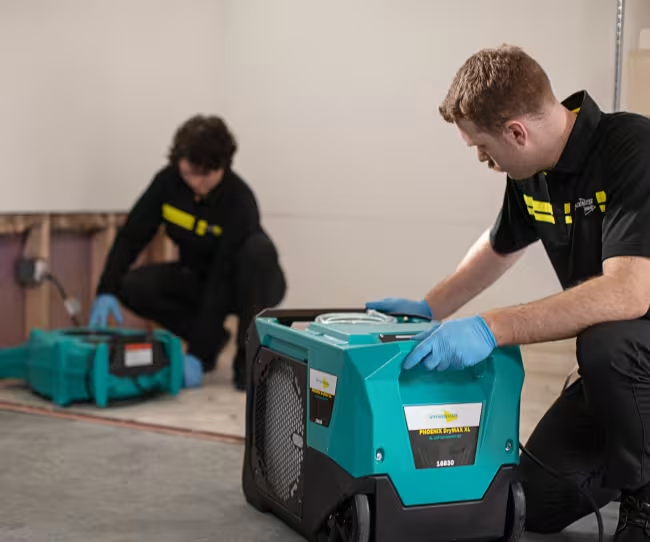
When water enters your home, visible flooding is only the beginning. Moisture can travel behind plaster and drywall, underneath hardwood flooring, and into structural materials where it can continue causing damage long after the surface appears dry. ServiceMaster by Elevate - Lancaster uses advanced moisture detection technology, powerful extraction equipment, and controlled drying systems to remove standing water, locate hidden moisture, and help protect Lancaster homes from secondary issues like mold growth and structural deterioration.
Call Now for Emergency Water Removal
Stormwater & Flash Flood Cleanup in Lancaster, PA
Lancaster’s historic neighborhoods, dense development, and aging drainage infrastructure can create challenges when heavy rainfall arrives. Summer thunderstorms and intense downpours can send runoff from streets, rooftops, and paved surfaces into drainage systems and waterways, increasing the risk of basement flooding and foundation water intrusion. Homes near the Conestoga River, Little Conestoga Creek, and lower-lying areas may be especially vulnerable when saturated soil and stormwater combine.
Sump Pump Failure & Basement Flood Cleanup in Lancaster, PA
Many Lancaster homes depend on sump pumps to help control groundwater and protect below-grade spaces from moisture intrusion. When heavy spring rains, summer storms, or saturated soil conditions increase water levels around a foundation, a failed sump pump can quickly leave basements flooded. Power outages, clogged discharge lines, aging equipment, and pump failures can all prevent water from being removed when homeowners need protection most.


Sewage Backup Cleanup in Lancaster, PA
Lancaster’s historic infrastructure creates unique challenges when heavy rainfall puts pressure on local sewer systems. Much of the city relies on a combined sewer system, where stormwater runoff and wastewater travel through the same network of pipes. During intense storms, the system can become overwhelmed, increasing the risk of contaminated water backing up into basements, floor drains, bathrooms, and lower-level areas of homes. Older Lancaster properties with below-grade basements, aging plumbing connections, and historic sewer laterals may be especially vulnerable when heavy precipitation combines with drainage issues or blockages.
Why Choose ServiceMaster Fire & Water Restoration for Water Damage Restoration?
Advanced Moisture Detection
Industrial Water Extraction
Structural Drying & Monitoring
Mold Prevention Built In
Why Water Damage Can't Wait in Lancaster Homes
Pennsylvania humidity, older foundations, and moisture-prone basement areas can allow water damage to progress quickly inside Lancaster homes.
Within 24 hours: Drywall may begin swelling, flooring materials can absorb moisture, and wooden structures may begin warping.
Within 24–48 hours: Mold spores may begin developing in damp basements, behind walls, and inside other hidden areas.
After one week: Structural materials can deteriorate, odors may develop, and contaminated water can create additional restoration challenges.
What To Do Immediately After Water Damage in Your Lancaster Home
-
1Step 1Shut Off the Water Source
If damage is caused by a burst pipe, appliance failure, or plumbing issue, shut off the main water supply when possible to limit additional flooding.
-
2Step 2Turn Off Electricity in Affected Areas
Avoid entering standing water until electrical hazards have been addressed. Shut off power at the breaker only if it is safe to do so.
-
3Step 3Document Everything for Insurance
Take photos and videos of damaged areas, affected belongings, and the source of the water before cleanup begins.
-
4Step 4Call ServiceMaster Fire & Water Restoration
Once the area is safe, contact ServiceMaster Fire & Water Restoration for immediate water damage restoration. Fast action helps limit damage and protect more of your home.