Need Sewer Backup Cleanup & Restoration in Des Moines, IA?
Sewer backups often occur when homeowners least expect them, but several conditions make Des Moines particularly vulnerable. Heavy spring thunderstorms, rapid snowmelt, saturated soils, and periods of intense rainfall can overload portions of the city's aging sewer infrastructure, increasing the risk of wastewater backing up into homes. For decades, Des Moines has invested in large sewer separation projects specifically to reduce basement backups and sanitary sewer overflows caused by heavy rain events. Low-lying neighborhoods near the Des Moines River, Raccoon River, Fourmile Creek, and Walnut Creek can experience additional pressure during prolonged storms, while older areas with mature trees may also experience sewer lateral blockages caused by invasive tree roots.
Unlike clean water, sewage contains bacteria, viruses, parasites, and other hazardous contaminants that should never be cleaned without proper protective equipment and specialized restoration procedures. Once contaminated water enters a home, it can soak into drywall, insulation, wood framing, carpeting, subfloors, and finished basement materials within hours. Even after standing water is removed, dangerous contaminants and hidden moisture can remain trapped inside structural materials, making professional sanitation and drying essential.
Homeowners searching for sewer backup cleaning services near me or experienced sewer backup cleanup companies need more than water removal. Complete restoration includes hazardous material removal, EPA-registered sanitization, structural drying, odor elimination, and repairs that return your home to a clean, healthy, and safe living environment.
Sewage Backup in Your Des Moines Home? Call now for Emergency Cleanup.
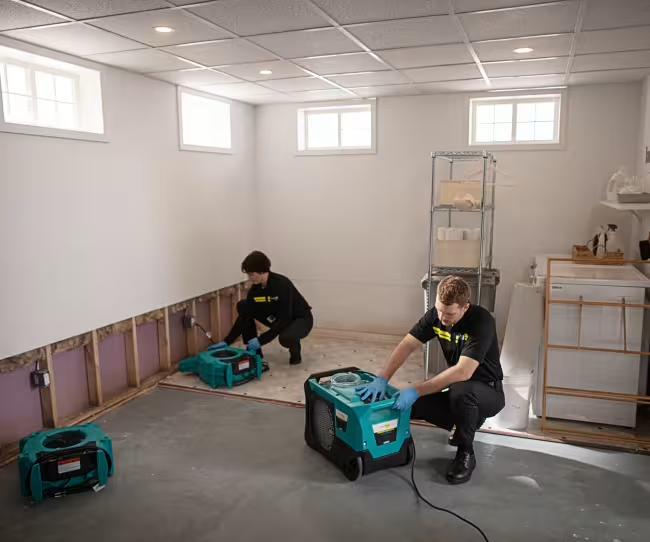
Emergency Sewer Backup Cleanup
Many Des Moines homes, particularly in established neighborhoods like Beaverdale, Sherman Hill, Highland Park, and South of Grand, still rely on older clay tile or cast-iron sewer laterals that can complicate cleanup after a backup. These systems are more susceptible to root intrusion, shifting soils, and deteriorating joints, allowing contaminated water to spread beneath finished basement flooring and behind lower wall cavities before it's discovered. Professional emergency sewer backup cleanup begins by safely removing contaminated water, isolating affected materials, and identifying hidden contamination that can remain beneath flooring systems.
Cleaning, Disinfection & Structural Drying
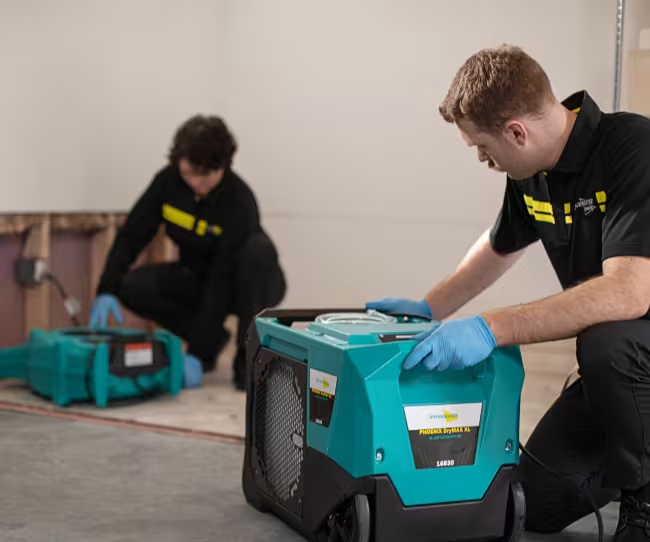
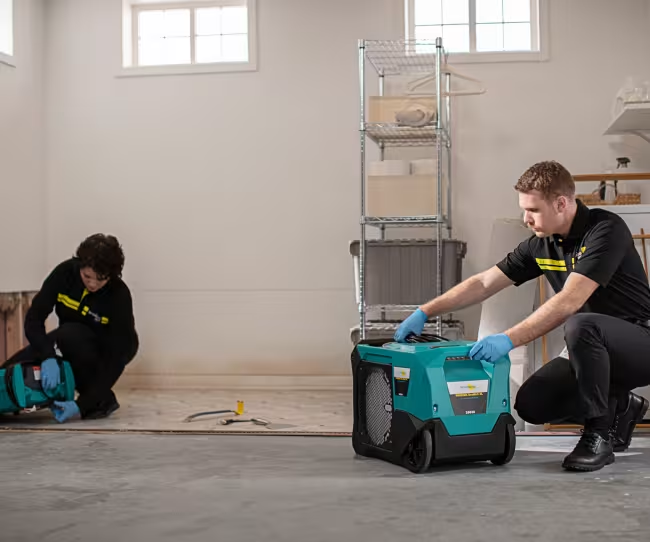
Des Moines' humid summers and moisture-retaining clay soils can make it difficult for building materials to dry naturally after a sewage backup. Even after standing sewage has been removed, moisture often remains trapped beneath luxury vinyl flooring, inside finished basement walls, beneath staircases, and around mechanical rooms where airflow is limited. Professional sewer backup cleaning services combine EPA-registered disinfectants with commercial dehumidification, targeted air movement, and moisture monitoring to sanitize contaminated areas while ensuring hidden moisture is removed before odors, mold, or structural deterioration become larger restoration issues.
Repair & Reconstruction After Sewage Damage
Finished basements are common throughout many Des Moines neighborhoods, making reconstruction one of the most important phases of sewer backup restoration. When black water contaminates drywall, insulation, baseboards, flooring, or built-in cabinetry, many of those materials cannot be safely salvaged. Restoration focuses on removing damaged components, rebuilding affected living spaces, and restoring the home's structural integrity after contamination has been eliminated. For older homes with original plaster, wood trim, or aging construction materials, repairs often require a careful approach that preserves the character of the home while bringing damaged areas back to a clean, safe, and livable condition.
Why Choose Professional Sewer Backup Restoration Services in Des Moines?
Specialized Contamination Removal

Advanced Moisture Detection
Thorough Cleaning & Deodorization
Complete Restoration Support
Why Sewer Backups Can't Wait in Des Moines Homes
Sewage damage continues affecting your home after the initial backup occurs. The longer contaminated water remains, the greater the chance of permanent damage to building materials, belongings, and indoor air quality.
Within hours: Contaminated water begins spreading. Sewage can move through flooring systems, soak into porous materials, and reach areas beyond the original backup location. Finished basements and lower-level rooms can absorb moisture quickly.
Within 24 to 48 hours: Materials begin deteriorating. Drywall, insulation, flooring, and wood components can absorb contaminated water, making some materials more difficult or impossible to restore.
After several days: Odors and secondary damage increase. Persistent moisture can create conditions for mold growth, stronger odors, and additional deterioration throughout affected areas.
What to Do Immediately After a Sewer Backup in Your Home
-
1Step 1Avoid Contact With Contaminated Wate
Do not enter areas affected by sewage unless absolutely necessary. Contaminated water may contain harmful bacteria and pathogens that can create health risks.
-
2Step 2Stop the Source if Possible
If it is safe to do so, stop the flow of wastewater by shutting off affected plumbing fixtures or contacting a professional plumber to address the source of the backup.
-
3Step 3Protect Important Belongings
Move unaffected valuables, furniture, and personal belongings away from the affected area when possible. Avoid handling items that have been exposed to sewage without proper protection.
-
4Step 4Contact a Professional Restoration Team
Call for professional sewer backup restoration as soon as possible. Our experienced sewer backup team can safely remove contamination, dry affected materials, and begin restoring your home.