Dealing with Stubborn Odors in Your Des Moines Home?
In Des Moines, persistent household odors often trace back to the city’s weather, rivers, and older homes. Severe storms have knocked out power across the metro for days before, and families turned to generators, candles, and space heaters to get by, bringing added fire risk and the smoke smells that can follow. Homes near the confluence of the Des Moines and Raccoon Rivers have dealt with flooding before. Many basements across the city still hold moisture that turns musty during humid Iowa summers. In established neighborhoods like Beaverdale, Sherman Hill, Highland Park, and around Drake University, brick and frame homes built generations ago often have plaster walls, original hardwood floors, and stone or block foundations that absorb odors and hold onto them. Long winters keep houses sealed tight for months, trapping smoke from fireplaces, cooking smells, and pet odors inside. Student rentals near campus see frequent turnover, and previous tenants’ pets and smoking can leave lasting smells behind. ServiceMaster by Rice provides odor removal tailored to these problems, including smoke odor removal and mold smell remediation. Our team identifies odor sources, contains contaminated areas when necessary, and applies specialized deodorizing treatments. We’re proud to help Des Moines families feel comfortable at home again.
Is a Stubborn Smell Taking Over Your Des Moines Home? Let's Find the Source. Call Now.

Smoke Odor Removal
Smoke smells don’t leave when the air clears. In Des Moines, severe storms that knock out power for days lead many families to rely on generators, candles, and portable heaters, and a small fire or a smoky backdraft can fill a home quickly. Wood-burning fireplaces in older homes add their own residue through long winters. Fine smoke particles settle into upholstery, curtains, carpet, plaster walls, and insulation, leaving a sharp, stale smell that clings to everything. With windows shut tight through the cold months, there’s nowhere for the odor to go. It can resurface on humid summer days, long after the fire itself is forgotten.
Mold Smell Remediation
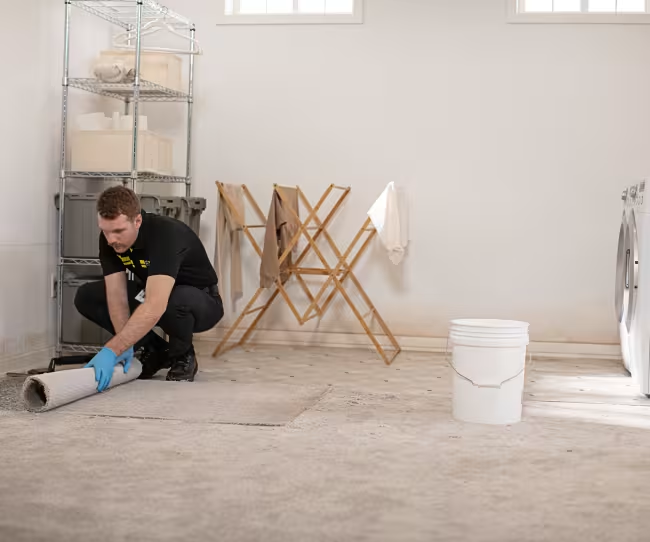
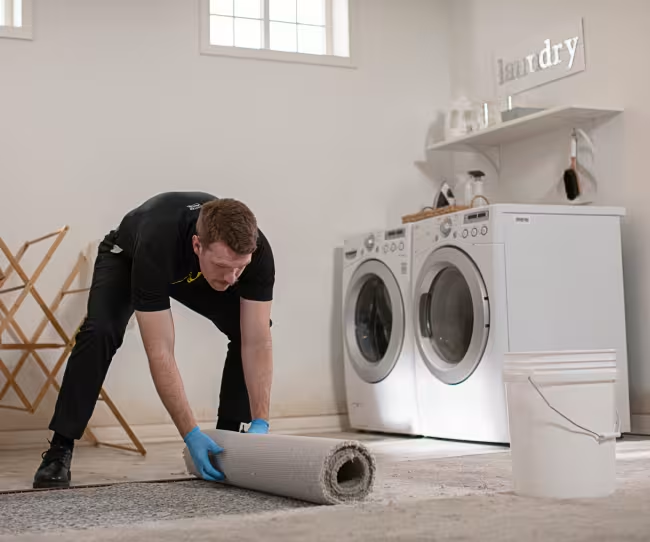
That musty basement smell is usually telling you something. Homes near the confluence of the Des Moines and Raccoon Rivers have faced flooding before, and many basements across the city still carry moisture in their walls and floors. Older stone and block foundations let groundwater seep through during spring thaw and heavy rain. Humid Iowa summers then keep lower levels from drying, and mold and mildew grow behind paneling, under carpet, and inside stored boxes. The smell drifts upstairs into living areas and bedrooms. Air fresheners may cover it for a day, but it keeps coming back as long as moisture remains.
Pet Odor Elimination
Pets bring a lot of joy to a home, but accidents can linger far longer than expected. During Iowa’s long winters, pets spend more time indoors, and repeated accidents in the same spot can soak through carpet into the padding and subfloor below. In older Des Moines homes, urine can seep between original hardwood boards and into the wood itself. Humid summer air reactivates those odors and makes them stronger. In rentals near Drake and other high-turnover homes, smells from previous tenants’ pets can seem built into the house. Routine cleaning rarely reaches the source, so the odor keeps returning.
Why Choose ServiceMaster by Rice for Professional Deodorizing Services?

Find the Source
Neutralize Lingering Smells
Treat Hidden Circulation
Clean Deeper Materials
Why Odor Problems Can't Wait in Des Moines Homes
Des Moines' humid summers and aging residential materials allow lingering odor sources to penetrate porous surfaces, making early treatment especially valuable.
Within Days: Odors Penetrate Household Materials. Untreated odor-producing residue continues settling into carpeting, upholstery, and drywall. As contamination penetrates porous surfaces, ordinary cleaning becomes less effective, potentially increasing the treatment necessary to restore fresher indoor conditions
Within One to Two Weeks: Smells Travel Between Rooms. Continued airflow through shared HVAC ductwork circulates airborne odor compounds into neighboring rooms. Without treating the original source, unpleasant smells might become noticeable throughout previously unaffected living spaces.
After a Month or Longer: Material Replacement Becomes More Likely. Prolonged contamination allows persistent smells to remain embedded in carpeting, padding, or drywall. Depending on the source and severity, some materials eventually need replacement rather than professional deodorizing treatment alone.
What to Do About Odor Problems in Your Des Moines Home
-
1Step 1Skip Temporary Cover-Ups
Avoid scented candles, air fresheners, and unnecessary cleaning products. Strong fragrances sometimes conceal important clues, making it more difficult for restoration professionals to pinpoint the original source of persistent household odors.
-
2Step 2Keep Odors Contained
Close doors to the impacted space and adjust nearby vents when practical and safe. Keeping airflow contained might prevent unpleasant smells from circulating throughout other rooms while awaiting professional evaluation.
-
3Step 3Document What Happened
Write down when the smell appeared, where it's strongest, and any suspected causes. Photos and notes provide useful context for technicians while supporting potential insurance discussions when applicable to the situation.
-
4Step 4Contact ServiceMaster by Rice
Schedule a professional odor assessment with our Des Moines restoration team. Early evaluation supports targeted treatment decisions, potentially preserving household materials and preventing more extensive cleaning or replacement expenses later.