Need Commercial Fire Damage Restoration in Des Moines, IA?
A commercial fire in Des Moines can bring business operations to an immediate halt, with damage extending far beyond the original fire source. Offices downtown, retail spaces in West Des Moines, and industrial facilities in Ankeny can all face fire risks associated with electrical systems, HVAC equipment, kitchen operations, and winter heating systems.
Even when flames are contained quickly, smoke and soot can spread throughout an entire building. In multi-tenant properties, damage may extend to neighboring businesses through shared ventilation systems, ceiling voids, and wall cavities. This can significantly increase the scope of cleanup and restoration.
Smoke residue is one of the most disruptive consequences for commercial properties. It can settle into office furniture, inventory, equipment, walls, and HVAC systems, leaving persistent odors while contributing to ongoing damage if not addressed promptly. Professional cleaning and deodorization can help prevent smoke-related damage from becoming more difficult to restore.
Restaurants and food service businesses throughout the Des Moines area face additional fire risks from commercial cooking equipment and grease buildup. After a restaurant fire, rapid cleanup, smoke mitigation, deodorization, and structural stabilization are essential steps toward reopening safely.
Industrial and warehouse facilities present their own challenges because of their size and open layouts. Smoke can travel across large spaces and affect stored products, machinery, equipment, and multiple operational zones before a fire is fully contained.
ServiceMaster by Rice - Des Moines provides comprehensive commercial fire damage restoration in Des Moines, IA, including restaurant fire cleanup, industrial smoke damage cleanup, office fire repair services in Des Moines, IA, emergency fire board-up services, structural cleaning, odor removal, and restoration support.
Fire Damage Impacting Your Des Moines Business? Call Now for Fast Response Restoration.

Commercial Fire Risk in Des Moines
Des Moines' mix of century-old brick storefronts downtown and sprawling industrial parks along the Des Moines and Raccoon Rivers creates real fire exposure for local businesses. The Des Moines Fire Department and Arson Task Force investigate 350–400 fires a year citywide, and roughly two-thirds are attributed to arson — one of the leading causes here, alongside aging electrical systems in older commercial buildings and equipment malfunctions common in the city's food processing, insurance, and manufacturing sectors. Add in Iowa's harsh winters, which push heating systems and space heaters to their limits, and commercial properties across Des Moines face a heightened risk of fire damage that can escalate quickly once it starts.
Smoke & Odor Damage in Des Moines Businesses
When a fire breaks out in a Des Moines commercial building, smoke rarely stays contained to one room. It travels through HVAC systems, ductwork, and shared walls common in the city's older downtown buildings and strip-mall retail spaces, settling into carpeting, furniture, and inventory. Iowa's humid summers and sealed-up winters mean many commercial HVAC systems recirculate air constantly, carrying odor deeper into a property. For restaurants, offices, and retailers along corridors like East Village or Ingersoll, lingering smoke odor can affect employees, customers, and merchandise long after the visible damage is gone, making odor a persistent problem tied directly to the fire's original cause.
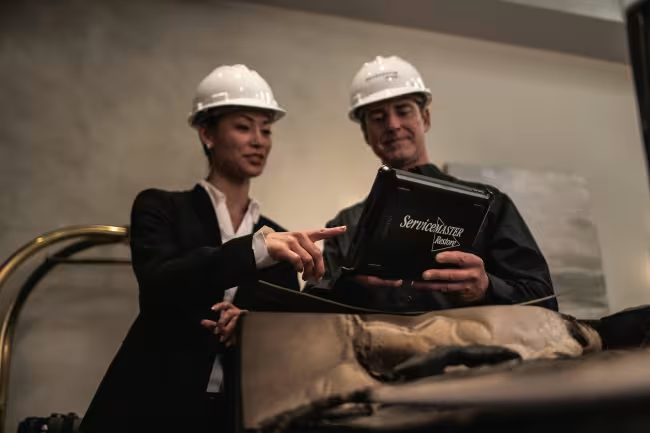
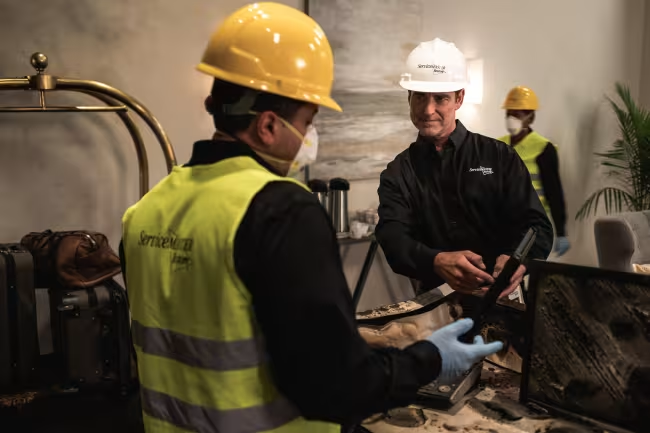
Soot & Structural Damage After a Commercial Fire
Soot behaves differently depending on what caused the fire — electrical fires, arson-related fires, and equipment fires each leave distinct residues on walls, ceilings, and contents. In Des Moines, where many commercial buildings combine older masonry construction with newer additions, soot can penetrate porous surfaces unevenly across a property. Combined with Iowa's temperature swings, which cause materials to expand and contract, soot residue can bond more stubbornly to surfaces the longer it sits. For businesses in industrial corridors or historic commercial districts, this makes early identification of the fire's source and affected materials critical to preventing further property loss.
Why Des Moines Businesses Trust Our Commercial Fire Restoration Services
Rapid Emergency Response
Multi-Tenant Expertise
Documentation & Insurance Support
Full Commercial Recovery Support
Why Commercial Fire Damage Requires Immediate Action
Immediately: Fire-damaged structures may present safety hazards, while broken windows, doors, and other openings can leave the property vulnerable to additional damage.
Within hours: Smoke can move through HVAC systems, ceiling spaces, wall cavities, and other shared building systems. Water used to extinguish the fire may also create additional damage if not addressed promptly.
Within days: Soot residues and smoke odors can become increasingly difficult to remove as they penetrate porous materials, furnishings, equipment, and inventory.
Fast professional response can help reduce downtime, limit secondary damage, and make the restoration process more manageable for your business.
What to Do After Fire Damage in Your Des Moines Business
-
1Step 1Ensure Safety
Evacuate the building and follow directions from emergency personnel. Do not enter areas that may be structurally unsafe or otherwise hazardous.
-
2Step 2Secure the Property
Once authorities determine that it is safe to do so, take reasonable steps to prevent unauthorized access and protect the property from additional exposure. Professional emergency board-up services may be necessary when doors, windows, or other openings have been damaged.
-
3Step 3Avoid Cleanup Attempts
Do not attempt to wipe away soot, remove damaged materials, or clean smoke-affected equipment on your own. Improper cleaning methods can spread soot or make certain materials more difficult to restore.
-
4Step 4Call ServiceMaster by Rice - Des Moines
Contact our Des Moines commercial fire damage restoration team for immediate emergency response. We can assess the property, identify affected areas, and help determine the appropriate next steps for cleanup and recovery.