Need Fire Damage Restoration in Flint, MI?
Fire damage in Flint homes often comes with challenges tied to the city’s aging housing stock, Michigan’s long heating season, and the changing weather conditions that impact homes throughout Genesee County. Many neighborhoods, including College Cultural, Mott Park, Carriage Town, and Civic Park, feature older homes built decades ago, where aging electrical systems, original building materials, and previous renovations can influence how a fire spreads and how extensive the damage becomes.
In older Flint properties, electrical issues can become a major concern as homes rely on updated appliances, modern electronics, and increased power demands that older wiring or panels may not have been designed to handle. A small electrical failure can quickly lead to smoke damage, soot contamination, and structural impacts that extend beyond the original fire area. Homes with historic details, hardwood features, and older construction methods may also require careful attention after a fire event.
Michigan winters create another layer of risk for Flint homeowners. With freezing temperatures and months of heavy heating use, furnaces, fireplaces, space heaters, and other heating equipment work harder to keep homes comfortable. During extreme cold snaps, a heating-related fire can affect multiple areas of a property as smoke travels through rooms, walls, and ventilation systems.
Flint’s severe weather patterns can also add complications after a fire. Spring and summer thunderstorms can bring lightning, strong winds, and heavy rain, while winter storms can create difficult conditions during emergency situations. Whether a fire begins in a century-old home near downtown or a newer residence outside the city center, understanding how local weather, housing age, and construction materials affect fire damage helps homeowners recognize the importance of a careful recovery process.
Fire Damage in Your Flint Home? Call Now for Fast Response Restoration
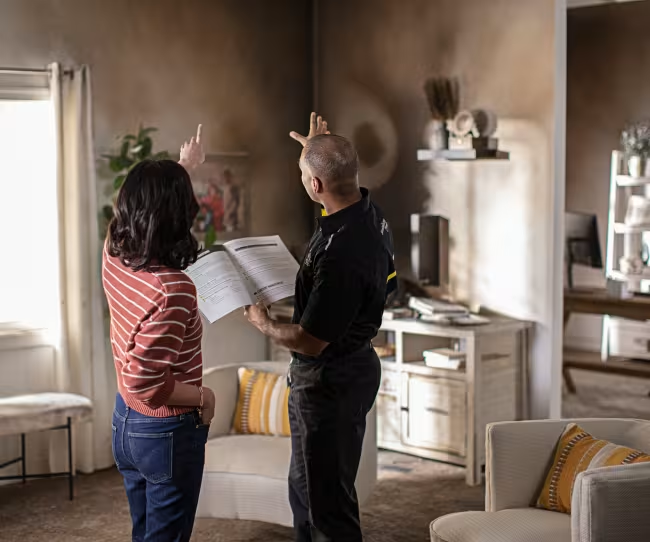
Electrical Fire Risks in Flint’s Older Homes
Many Flint homes were built during the city’s industrial boom, with neighborhoods like Mott Park, Carriage Town, College Cultural, and Civic Park featuring older properties with decades of history. While these homes offer unique character, aging wiring, outdated electrical panels, and increased demand from modern appliances can create added fire risks. Electrical problems often begin quietly behind walls, in basements, or around overloaded circuits before becoming a larger emergency. For homeowners, understanding how older infrastructure and today’s electrical demands interact is an important part of protecting Flint’s historic homes.
Winter Heating Fires During Flint’s Deep Freeze Season
Flint’s long Michigan winters bring freezing temperatures, snow, and months of heavy reliance on furnaces, fireplaces, and supplemental heating equipment. During extreme cold snaps, heating systems work harder, increasing the importance of proper maintenance and safe operation. Older homes throughout Flint may have aging furnaces, chimneys, or layouts that create additional challenges during the heating season. A fire that begins near a furnace, fireplace, or space heater can quickly spread smoke throughout living areas, affecting walls, ceilings, furniture, and belongings. Michigan winters make heating safety a year-round consideration for homeowners preparing for the coldest months.

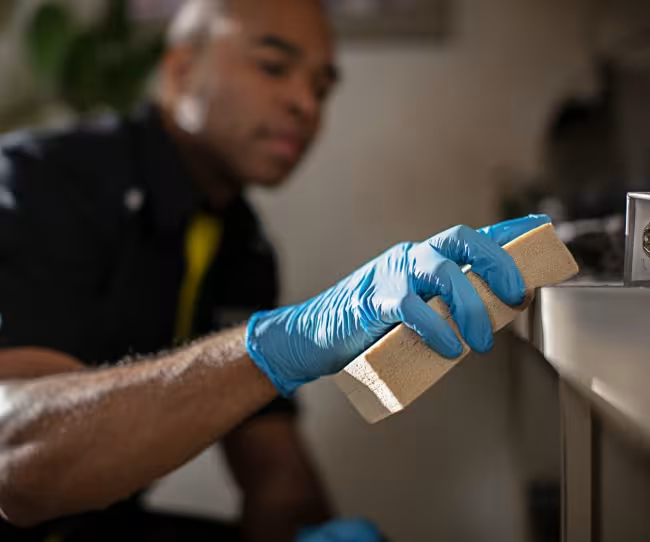
Kitchen Fires Inside Flint Family Homes
The kitchen is where families gather, but it is also one of the busiest areas of a home and a common place for fires to begin. A forgotten pan, overheated appliance, or electrical issue near cooking equipment can quickly turn an ordinary evening into a major home emergency. In Flint’s mix of historic houses, renovated properties, and older neighborhoods, kitchen layouts and materials vary widely. Homes near downtown Flint, East Village, and surrounding residential areas may feature original finishes and construction details that influence how heat and smoke move through the property. Even a contained kitchen fire can leave smoke odors and residue throughout nearby rooms.
Why Choose ServiceMaster Restoration Services - Flint for Fire Damage Restoration?
Complete Smoke & Soot Removal
Advanced Odor Elimination
Structural Fire Damage Assessment
Contents Cleaning & Recovery
Why Fire Damage Can’t Wait in Flint Homes
Within Hours: Smoke residue begins attaching to surfaces throughout the home. Walls, ceilings, furnishings, and HVAC systems can absorb smoke particles quickly, making cleanup more difficult over time.
Within 24 to 48 Hours: Soot becomes increasingly corrosive. Acidic soot residues can discolor surfaces, damage electronics, stain finishes, and create stronger odors if not professionally removed.
After Several Days: Secondary damage continues spreading. Smoke odors may penetrate deeper into materials, soot can settle into hidden spaces, and leftover water from firefighting efforts may contribute to additional damage.
The sooner restoration begins, the greater the opportunity to recover materials, eliminate odors, and reduce rebuilding costs.
What to Do Immediately After Fire Damage in Your Flint Home
-
1Step 1Wait for Fire Department Clearance
Do not return to the property until local authorities confirm it is safe. Structural hazards, unstable materials, and hidden hot spots may still be present.
-
2Step 2Protect the Property from Additional Damage
If the property is safe and authorized for access, arrange emergency board-up services or roof tarping to help prevent weather exposure, theft, and additional deterioration.
-
3Step 3Document Damage for Insurance
Take photographs of affected rooms, damaged belongings, and structural issues before cleanup begins. Detailed documentation can help support the insurance claims process.
-
4Step 4Call ServiceMaster Restoration Services - Flint
Once your property is secured and documented, contact our fire damage restoration team. Early intervention helps limit smoke damage, soot staining, odors, and long-term restoration expenses.