
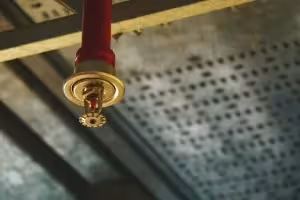
How Do Sprinkler Systems Work?
There are two common sprinkler system designs, each with their own benefits and drawbacks. Most commercial buildings have a wet pipe system, which means that the pipes are always full of water. This system is quick and effective, but there is a higher risk of pipe leaking or freezing. Another type of sprinkler design is the dry pipe system, in which the pipes are filled with pressurized air instead of water to minimize the risk of leaks while the system is not in use. When the system is activated by heat from a fire, the air must be pushed out of the system before the water reaches the sprinkler, which can delay response times up to a full minute.
Will My Sprinklers Cause Flooding?
Unfortunately, if your sprinkler system is activated, there is likely going to be damage to your home, whether from sprinkler water or damage from the fire itself. Fortunately, the water damage from sprinklers is much less than it would be if a fire got out of control and required serious firefighting equipment. Home sprinkler systems are proven to reduce fire and smoke damage and control 96% of the fires that caused them to deploy.
In a wet pipe system, there is a small chance that sprinkler pipes could freeze or leak, causing water damage in the absence of a fire. This is a risk with all plumbing in buildings located in areas with extreme cold or poor insulation. If you are concerned about the flooding risk from sprinkler pipe systems, call a professional sprinkler company to find the best prevention methods for your situation.
ServiceMaster of Baltimore Disaster Restoration
The right disaster restoration company will know how to handle damage from a fire, sprinkler system deployment, and even water damage from pipe leaks. Call ServiceMaster of Baltimore at (410) 498-8030 for emergency disaster restoration.