Need Mold Removal or Inspection in Ann Arbor, MI?
Increasingly frequent heavy rainfall and flood-prone conditions near the Huron River, Allen Creek, and Malletts Creek can push moisture into basements and other low-lying areas. Humid summer afternoons and high winter relative humidity can keep indoor moisture elevated, while older homes near downtown and riverside neighborhoods may have aging basements, attics, and ventilation systems that trap moisture. When mold appears, ServiceMaster Excellence provides professional mold inspection, containment, and removal to address the problem safely. Because mold can affect indoor air quality and continue spreading when moisture remains, effective mold remediation focuses on both the growth and the source that caused it.
Mold in Your Ann Arbor Home? Call ServiceMaster Excellence Anytime for Certified Inspection & Removal.
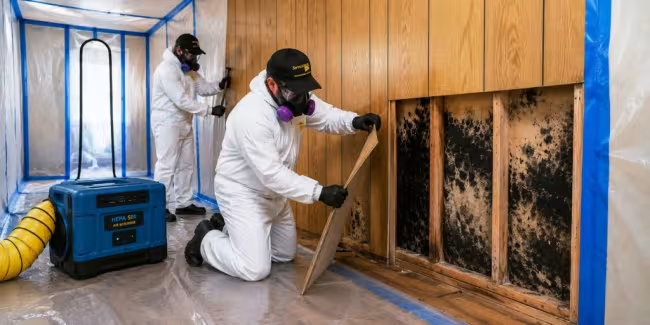
Flood-Related Mold Remediation
Heavy rainfall and flooding around the Huron River, Allen Creek, and Malletts Creek can leave behind more than visible water damage. Damp drywall, flooring, insulation, and other materials can create conditions where mold develops after a flood or prolonged water intrusion. Our flood-related mold remediation services can include a thorough mold inspection, containment, and safe removal of affected materials. If your Ann Arbor home has experienced basement flooding or water intrusion, addressing moisture and potential mold growth promptly can help prevent the problem from spreading into additional areas.
Winter Condensation & Attic Mold Removal
Cold Michigan winters can create condensation problems in attics and poorly ventilated areas, particularly when warm, moist indoor air reaches cold surfaces. Over time, that moisture can contribute to mold growth on roof decking, insulation, framing, and other attic materials. Our attic mold cleaning services begin with an inspection to identify visible growth and moisture conditions, followed by appropriate containment and removal procedures. We can also assess ventilation and other contributing conditions so homeowners understand why mold developed and what steps may help reduce the risk of recurring growth.
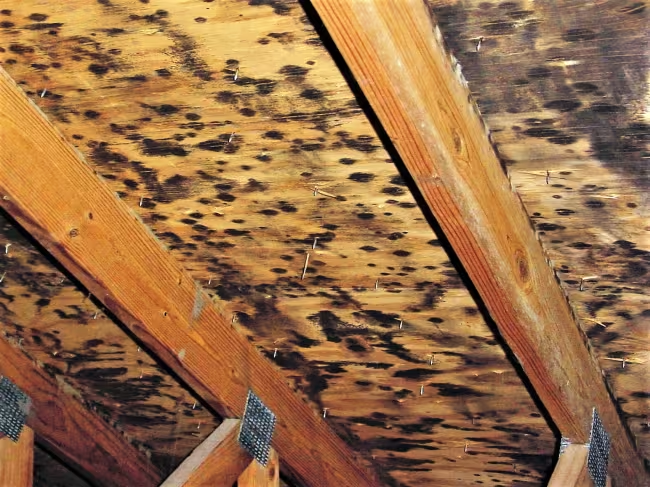

Basement Mold Remediation
Basements in older Ann Arbor homes can experience moisture year-round from seepage, plumbing leaks, condensation, or previous water damage. Homes near downtown and riverside neighborhoods may be particularly susceptible when aging foundations or basement systems allow moisture to persist. Our basement mold remediation services can include inspection, containment, and professional removal of affected materials. If you are seeing dark spots, noticing a persistent musty odor, or concerned about possible mold removal Ann Arbor MI needs, a professional evaluation can help determine the extent of the problem and the appropriate next steps.
Why Choose ServiceMaster Excellence for Mold Remediation in Ann Arbor

Certified Mold Inspectors

Professional Mold Assessment

Safe Containment & Removal Process

Moisture Source Repair to Prevent Regrowth
Why Mold Can't Wait in Ann Arbor Homes
Once moisture enters a home, mold growth can progress quickly under the right conditions. Acting early can help limit the affected area and the complexity of remediation.
Within 24–48 Hours: Damp materials can become a breeding ground for mold growth. After water intrusion, wet drywall, carpeting, insulation, wood, and other porous materials can remain damp long enough to support microbial growth. A prompt inspection can help identify areas that need drying, monitoring, or further evaluation before a small moisture problem becomes a larger mold concern.
Within 1–2 Weeks: Mold growth can spread beyond the area where it was first noticed. Mold may not remain limited to the surface where homeowners initially see it. Moisture can travel through building materials and hidden spaces, while HVAC systems and airflow can potentially distribute spores. Professional mold inspection can help determine whether additional areas require attention.
Beyond Several Weeks: Long-term moisture can increase property damage and indoor air quality concerns. When moisture and mold remain unresolved for weeks or longer, affected building materials may deteriorate, and remediation may become more extensive. Mold is not simply a cosmetic property issue; persistent growth can contribute to indoor environmental concerns and may be particularly troubling for people sensitive to mold.
The sooner you identify the source of moisture and determine the extent of mold growth, the more informed your next steps can be.
What to Do Immediately After Discovering Mold in Your Ann Arbor Home
-
1Step 1Limit Exposure and Ventilate the Area
Avoid unnecessary contact with visible mold and keep people and pets away from the affected area when practical. If safe to do so, improve ventilation and reduce indoor humidity without disturbing the mold or spreading contaminated materials.
-
2Step 2Document the Mold Growth and Affected Areas
Take photos or videos of visible mold, water damage, staining, and surrounding areas. Note when you first noticed the problem and any recent flooding, leaks, condensation, or other moisture events. Documentation can help with the mold inspection process and property records.
-
3Step 3Address the Moisture Source if Safely Possible
If you can safely stop an active plumbing leak or other source of water, do so. Do not enter unsafe flooded areas or attempt repairs involving electrical hazards. Controlling the moisture source is essential because mold can return when damp conditions remain.
-
4Step 4Call ServiceMaster Excellence for Certified Inspection and Removal
Once the area is safe and documented, contact ServiceMaster Excellence for professional evaluation. Our certified professionals can inspect the affected areas, establish a safe remediation approach, and help address the conditions contributing to mold growth.