Need Water Damage Restoration in Fort Dodge, IA?
Water damage in Fort Dodge is shaped by the city's unique river geography, aging housing stock, and Iowa's unpredictable weather. Located where the Des Moines River, Lizard Creek, Soldier Creek, and Gypsum Creek converge, Fort Dodge has experienced repeated flooding throughout its history. Even when rivers remain within their banks, prolonged rainfall can saturate the ground, overwhelm neighborhood drainage systems, and increase the risk of water intrusion into homes across Webster County.
Many homes throughout Fort Dodge were built decades ago with full basements, concrete block foundations, and original footing drains that have weathered years of freeze-thaw cycles. As soils become saturated, hydrostatic pressure builds against foundation walls, forcing water through small cracks, floor joints, utility penetrations, and aging masonry. Once moisture reaches finished basements, it can spread beneath flooring, inside insulation, and behind drywall before visible damage appears. Professional water damage restoration helps locate hidden moisture before it leads to larger structural problems.
Fort Dodge also experiences severe thunderstorms capable of producing intense rainfall in a short period of time. Combined with the area's clay-rich soils, which drain slowly after heavy precipitation, water can pool around foundations and place additional strain on sump pumps and exterior drainage systems. Homes with finished lower levels, walkout basements, or older grading may require emergency water removal after storms to prevent damage from spreading throughout the structure.
Extended freezing temperatures can cause plumbing failures in older homes, while repeated freeze-thaw cycles gradually widen foundation cracks that become entry points for spring snowmelt and rain. Even after standing water is removed, moisture trapped inside framing, subflooring, and wall cavities can linger without professional drying. That's why complete water damage restoration includes moisture detection, structural drying, and restoration designed for the challenges of Webster County homes.
Water Damage Affecting Your Fort Dodge Home? Call Now for Immediate Assistance
River Valley Flooding & Foundation Seepage in Fort Dodge
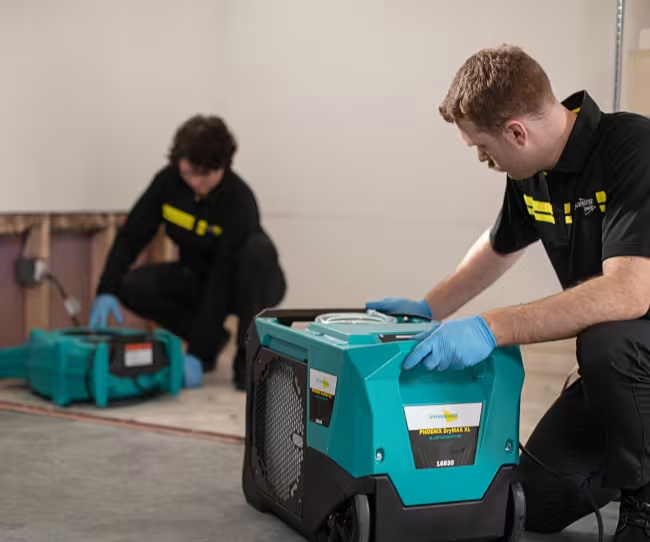
Fort Dodge's position at a river and creek convergence, makes prolonged rainfall a unique concern even outside designated flood zones. As river levels and groundwater rise together, saturated soils place increasing pressure on basement walls and below-grade foundations. Many homes built throughout the city's older neighborhoods have full basements and aging concrete or masonry foundations that are more susceptible to seepage through floor joints and small foundation cracks. Once water enters, it can spread beneath finished flooring and behind walls long before visible damage appears, requiring prompt restoration to prevent more extensive structural deterioration.
Hidden Roof Leaks After Fort Dodge Wind & Hail Storms
Fort Dodge's spring and summer storms often bring powerful straight-line winds, hail, and wind-driven rain that can damage roofing systems without creating an obvious leak. Water frequently enters around flashing, roof valleys, plumbing vents, or lifted shingles, then travels along rafters before reaching finished ceilings. Because the moisture remains concealed inside attic insulation and wall cavities, homeowners may not notice a problem until wood begins to swell, insulation loses its effectiveness, or staining finally appears indoors. Iowa's warm, humid conditions after severe storms can also accelerate mold growth inside these enclosed spaces, making prompt inspection essential even when exterior damage appears minimal.

Plumbing Failures in Webster County's Aging Housing Stock
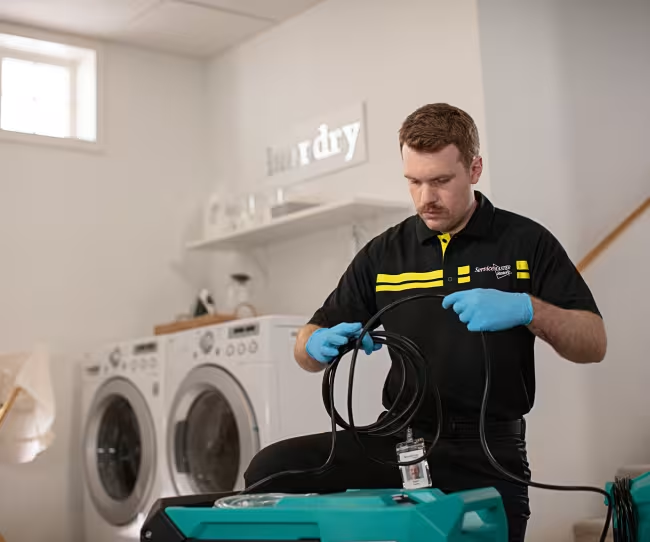
Many Fort Dodge homes were built decades ago and still contain older plumbing systems hidden inside walls, crawl spaces, and unfinished basements. During Iowa's prolonged winter freezes, pipes in exterior walls and unconditioned spaces are at greater risk of freezing and bursting. Water released from these failures often remains concealed for hours, soaking insulation, subflooring, plaster, and wood framing before homeowners notice the problem. Because cold temperatures also slow natural drying, moisture can remain trapped inside building materials much longer, increasing the likelihood of warping, deterioration, and microbial growth if professional drying does not begin quickly.
Why Fort Dodge Homeowners Trust Our Water Damage Restoration Services
Local Flooding Experience
Fast Emergency Response
Advanced Moisture Detection
Full-Service Restoration Support
Why Water Damage Can't Wait
Water damage is highly time-sensitive, and delays can significantly increase both repair costs and health risks.
Immediately after a water event, moisture spreads rapidly through porous materials such as drywall, carpet, and wood flooring. Within hours, it begins seeping deeper into structural components, making removal more complex.
Within 24–48 hours, building materials begin to absorb moisture, leading to swelling, warping, and early-stage deterioration. This is also the critical window when mold spores can begin to activate in damp environments.
Within several days, unchecked moisture often results in visible mold growth and more extensive structural damage. At this stage, restoration becomes more invasive and costly.
What to Do After Finding Water Damage in Your Fort Dodge Home
-
1Step 1Stop the Water Source
If it is safe, shut off the source of water (such as the main supply line or appliance valve) to prevent further flooding.
-
2Step 2Avoid Electrical Hazards
Do not enter standing water near electrical outlets, wiring, or appliances. Safety should always come first.
-
3Step 3Protect Important Items
Move valuables, documents, and furniture to dry areas if it can be done safely without exposure to contaminated water.
-
4Step 4Call ServiceMaster by Rice - Fort Dodge
Contact our Fort Dodge water damage restoration team for immediate emergency response, assessment, and mitigation services.
If your home or business has experienced flooding or water intrusion, immediate action is critical. Our team is available 24/7 to provide fast emergency response, professional water removal, and complete restoration services.